Waking up with heel pain can feel like stepping onto splintered ice—sharp, sudden, and utterly unwelcome. For those wrestling with plantar fasciitis, footwear is not a fashion choice; it is a survival strategy. The best shoes for plantar fasciitis can dilute that first jolt of agony and turn each stride into something tolerable, even reassuring. This condition afflicts countless people, unleashing stabbing discomfort beneath the heel and across the arch, particularly after rest. Well-designed shoes do more than encase the foot. They operate as biomechanical allies, restoring balance, dispersing shock, and respecting the body’s natural architecture. What follows is a grounded exploration of footwear engineered to calm irritation and foster durable relief.
Understanding Plantar Fasciitis Shoes and Foot Mechanics
Plantar fasciitis takes root when the thick, fibrous band linking heel bone to toes becomes overworked and inflamed. This ligament endures relentless tension from repetitive strain, ill-suited footwear, or structural quirks such as fallen arches or unusually high insteps. The signature warning sign is searing heel pain that erupts after periods of stillness, often accompanied by soreness tracing the sole’s length.
Extended standing, abrupt spikes in physical activity, and running across rigid terrain magnify the risk. Extra body weight and tight calf muscles add fuel to the fire. Ice packs and stretching routines may quiet the pain briefly, but without shoes that respect plantar fascia support, symptoms often resurface. Foot specialists consistently underline one truth: supportive footwear reduces constant traction on the fascia, allowing irritated tissue to mend rather than fray further.
Essential Features in Shoes for Plantar Fasciitis Relief
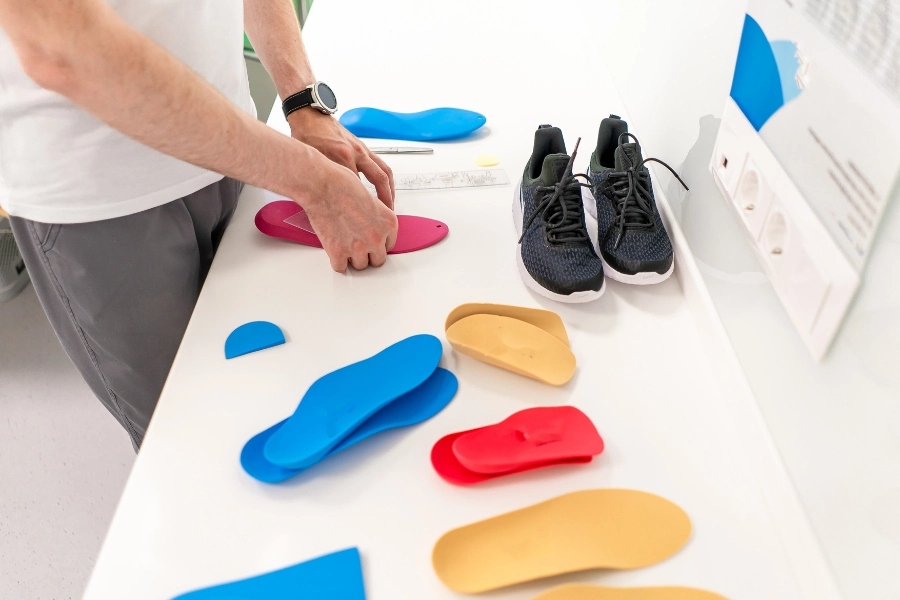
When evaluating shoes for heel pain relief, silhouette matters far less than structure. Substantial arch support sits at the core, redistributing pressure and restraining excessive inward roll. Shoes equipped with built-in orthotics—or removable insoles that welcome custom inserts—offer a decisive advantage.
Cushioning beneath the heel is equally non-negotiable. A generously padded rearfoot tempers impact, transforming harsh landings into muted contacts. A firm heel counter stabilizes motion, preventing the foot from wobbling like a loose hinge. Many podiatrists favor a heel-to-toe drop between 8 and 12 millimeters, as this subtle incline eases strain on the plantar fascia.
Spacious toe boxes permit natural toe spread, while rocker-shaped soles guide the foot through a fluid heel-to-toe transition. Breathable uppers curb moisture, and reliable traction preserves confidence. Minimalist or wafer-thin shoes are best avoided; their skeletal build often magnifies pain instead of easing it.
Top Arch Support Shoes for Plantar Fasciitis Pain
Blending clinical insight with everyday experience, the following arch support shoes for plantar fasciitis consistently earn praise for easing discomfort during walking, standing, and light movement.
HOKA Bondi 9 – Maximum Cushioning for Severe Heel Pain
The HOKA Bondi 9 resembles a shock-absorbing bastion. Its oversized EVA midsole swallows impact with almost indulgent generosity, softening aggressive heel strikes. A 5 mm drop combined with meta-rocker geometry promotes steady forward roll. Neutral arches and wider feet find it particularly accommodating. Many users cite all-day comfort as its defining virtue. Its heft, however, can feel ungainly during rapid movement. At roughly $170, it represents a firm investment for pronounced pain.
Brooks Adrenaline GTS 24 – Stability Shoes for Overpronation
Crafted for overpronators, the Brooks Adrenaline GTS 24 employs the GuideRails system to rein in errant motion without feeling coercive. DNA Loft v3 foam balances softness with resilience, while a 12 mm drop reduces fascia tension. A sturdy heel counter inspires trust on uneven ground. Breathable mesh and reliable grip round out the package. Those craving cloud-like softness may find it slightly firm. Priced near $140, it delivers dependable control.
ASICS Gel-Kayano 32 – Cushioned Shoes for High Arches
The ASICS Gel-Kayano 32 layers signature gel cushioning beneath the heel, offering plush shock attenuation. Its 4D Guidance System smooths gait, while a 10 mm drop encourages forward momentum. High-arched wearers often appreciate its sculpted midsole, which curbs fatigue during long hours on foot. Durable materials and a padded tongue enhance comfort. Costing about $160, it may feel stiff initially but matures into a reliable long-distance partner.
Hoka Gaviota 5 – Wide Fit Stability Shoes
Built on a broad platform, the Hoka Gaviota 5 delivers exceptional steadiness via its H-Frame construction. A 6 mm drop and forgiving foam strike a thoughtful balance between support and softness. Those with wider feet welcome the generous toe box, which adapts to swelling. Lightweight build and ample ventilation stand out. Heel strikers who favor steeper drops may hesitate. Expect to pay around $175.
Orthofeet Coral Stretch Knit – Supportive Slip-On Shoes
The Orthofeet Coral prioritizes ease without compromising anatomical integrity. Its stretch-knit upper flexes willingly, while contoured arch support and a cushioned heel cup target plantar stress zones. A rocker sole smooths stride transitions, reducing strain. Adjustable spacers allow personalized fit tweaks. Limited color options and modest durability aside, its $130 price and effortless wear make it a pragmatic choice.
Skechers Arch Fit – Budget Shoes for Plantar Fasciitis
Skechers offers affordability through the Arch Fit series, featuring podiatrist-approved support and air-cooled memory foam. A relaxed fit and slight heel lift help blunt morning stiffness. Many users report gradual pain relief with consistent wear. Washable materials and casual styling enhance versatility. Durability may wane with heavy use, but under $100, it remains an accessible gateway.
Vionic Walker Classic – Everyday Walking Shoes for Heel Pain
The Vionic Walker Classic marries orthopedic sensibility with daily durability. A deep heel cup and orthotic insole encourage alignment, while the EVA midsole dampens impact. Leather uppers promise longevity and a refined appearance. Best suited for average arches managing intermittent discomfort. Some break-in time is required, but at $110, it balances practicality and polish.
How to Choose Shoes for Plantar Fasciitis and Foot Pain
Selecting orthopedic shoes for foot pain begins with anatomical self-awareness. Flat feet flourish in stability-focused designs, while high arches demand generous cushioning. Measure your feet later in the day to accommodate natural swelling, and test shoes with your customary socks.
Align footwear with lifestyle needs—supportive sneakers for active days, structured shoes for prolonged standing. Comfort should eclipse aesthetics. When uncertainty looms, guidance from a podiatrist can avert costly errors. Walking across varied surfaces during fitting helps confirm real-world compatibility.
Extra Strategies to Reduce Plantar Fasciitis Heel Pain
Shoes alone rarely perform miracles. Gentle calf stretches and toe-flex routines loosen tight connective tissue. Rolling the sole over a frozen bottle blends massage with inflammation control. Weight management lightens chronic load, while avoiding barefoot walking on hard floors shields healing tissue.
Night splints preserve a mild stretch during sleep. Supplemental insoles can upgrade existing shoes. Gradual increases in activity prevent relapse. Persistent or escalating pain calls for professional intervention, including physical therapy or custom orthotics.
Frequently Asked Questions About Plantar Fasciitis Shoes
What causes plantar fasciitis heel pain?
Repetitive strain, biomechanical imbalance, and unsupportive footwear are frequent culprits. Excess weight, flat arches, and high-impact routines intensify susceptibility.
Are rocker-bottom shoes good for plantar fasciitis?
Yes. Rocker soles streamline the gait cycle, reducing stress on the plantar fascia, particularly for those with limited ankle mobility.
Can running shoes be used as walking shoes for plantar fasciitis?
They can suffice if well-cushioned and stable, though walking-specific models often deliver more consistent daily support.
How long before new shoes ease plantar fasciitis symptoms?
Some relief may surface within days, but meaningful improvement typically unfolds over two to four weeks of regular wear.
Which activities should be avoided with plantar fasciitis?
High-impact exercise and prolonged barefoot standing often aggravate symptoms. Low-impact movement paired with supportive footwear is preferable during recovery.