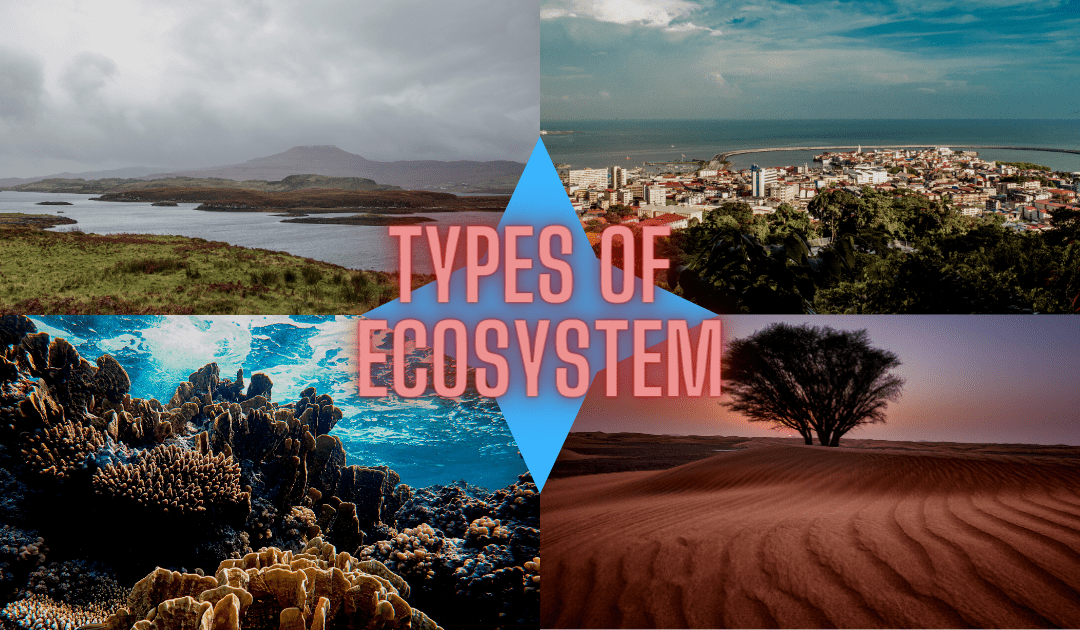
Understanding Ecosystem and Types is essential for grasping how life on Earth sustains itself through interconnected natural systems. An ecosystem refers to a community of living organisms interacting with their physical environment, forming a balanced unit where energy flows and nutrients cycle. These systems vary widely, influenced by climate, geography, and human activities. In this article, we’ll delve into the fundamentals, classifications, and significance of ecosystems, drawing insights from natural processes to highlight their role in biodiversity and sustainability.
What Is an Ecosystem? Definition, Meaning, and Explanation
An ecosystem includes all living organisms (biotic factors) and non-living elements (abiotic factors) interacting within a defined area. Biotic components include plants, animals, fungi, and microorganisms connected through food chains and food webs. Abiotic factors such as soil, water, sunlight, temperature, and air support these interactions and regulate life processes.
Scientists define ecosystem boundaries as natural (forests, ponds, deserts) or artificial (city parks, agricultural lands). Energy enters most ecosystems through sunlight, captured by producers via photosynthesis. This energy flows through consumers and is recycled by decomposers, maintaining ecological balance.
Components of an Ecosystem and Their Functions
Every ecosystem component plays a vital role in maintaining stability, productivity, and sustainability.
Biotic Components of an Ecosystem (Living Elements)
Biotic components are living organisms classified into producers, consumers, and decomposers.
Producers in an Ecosystem (Autotrophs)
Green plants, algae, and some bacteria form the base of the ecosystem food chain by converting solar energy into chemical energy through photosynthesis.
Consumers in an Ecosystem (Heterotrophs)
Consumers depend on producers or other consumers for energy:
- Primary consumers feed on plants
- Secondary consumers eat herbivores
- Tertiary consumers occupy higher trophic levels
Decomposers and Detritivores in Ecosystems
Bacteria and fungi break down dead organic matter, recycling nutrients back into the ecosystem and supporting soil fertility.
Abiotic Components of an Ecosystem (Non-Living Factors)
Abiotic factors include sunlight, water, soil, air, temperature, and climate. These non-living ecosystem components regulate photosynthesis, respiration, nutrient availability, and species distribution.
Types of Ecosystems and Their Classification
The types of ecosystems are broadly divided into terrestrial ecosystems and aquatic ecosystems, each adapted to specific environmental conditions.
Terrestrial Ecosystems: Major Land-Based Ecosystem Types
Terrestrial ecosystems cover about 29% of Earth’s surface and vary based on climate, vegetation, and soil.
Forest Ecosystems and Forest Biomes
Forest ecosystems are among the most biologically diverse ecosystem types.
Tropical Rainforest Ecosystems
Tropical rainforests receive heavy rainfall and support dense biodiversity with layered vegetation.
Temperate Forest Ecosystems
Temperate forests experience seasonal changes and are dominated by deciduous trees.
Boreal Forest Ecosystems (Taiga)
Boreal forests occur in cold regions and consist mainly of coniferous trees adapted to low temperatures.
Forest ecosystems regulate climate by absorbing carbon dioxide and producing oxygen.
Grassland Ecosystems: Savannas and Prairies
Grassland ecosystems are dominated by grasses and support grazing animals such as bison and zebras. Natural fires help maintain ecosystem balance, while fertile soils support agriculture.
Desert Ecosystems and Arid Environments
Desert ecosystems receive minimal rainfall and support drought-resistant plants like cacti. Animals adapt through nocturnal behavior and efficient water use.
Tundra Ecosystems in Polar Regions
Tundra ecosystems are found in polar areas and feature permafrost, low temperatures, and limited vegetation. Climate change poses serious threats to tundra ecosystem stability.
Aquatic Ecosystems: Water-Based Ecosystem Types
Aquatic ecosystems cover nearly 71% of Earth’s surface and are divided into freshwater ecosystems and marine ecosystems.
Freshwater Ecosystems: Rivers, Lakes, and Wetlands
Freshwater ecosystems include rivers, lakes, ponds, and wetlands. They support fish, amphibians, birds, and aquatic plants while filtering pollutants and regulating water flow.
Marine Ecosystems and Ocean Environments
Marine ecosystems include oceans, coral reefs, and deep-sea zones. Coral reef ecosystems support exceptional biodiversity, while plankton forms the foundation of marine food webs.
Importance of Ecosystems for Humans and the Environment
Ecosystems provide essential ecosystem services, including climate regulation, food production, pollination, water purification, and disaster protection. Mangrove ecosystems protect coastlines from erosion and storms.
Threats to Ecosystems and Environmental Challenges
Major threats to ecosystems include deforestation, pollution, invasive species, overexploitation, and climate change. These pressures disrupt ecosystem balance and reduce biodiversity.
Ecosystem Conservation and Protection Strategies
Effective ecosystem conservation includes protected areas, sustainable land use, reforestation, pollution control, and international cooperation. Individual actions like reducing carbon footprints also support ecosystem protection.
Ecosystem FAQs: Common Questions Answered
What defines an ecosystem?
An ecosystem is a system where living organisms interact with their physical environment.
What are the main types of ecosystems?
The two main ecosystem types are terrestrial ecosystems and aquatic ecosystems.
Why are forest ecosystems important?
Forest ecosystems regulate climate, support biodiversity, and provide essential natural resources.
What threatens aquatic ecosystems?
Pollution, overfishing, habitat loss, and climate change threaten aquatic ecosystems.
How can ecosystems be conserved?
Through sustainable practices, protected reserves, climate action, and biodiversity preservation.