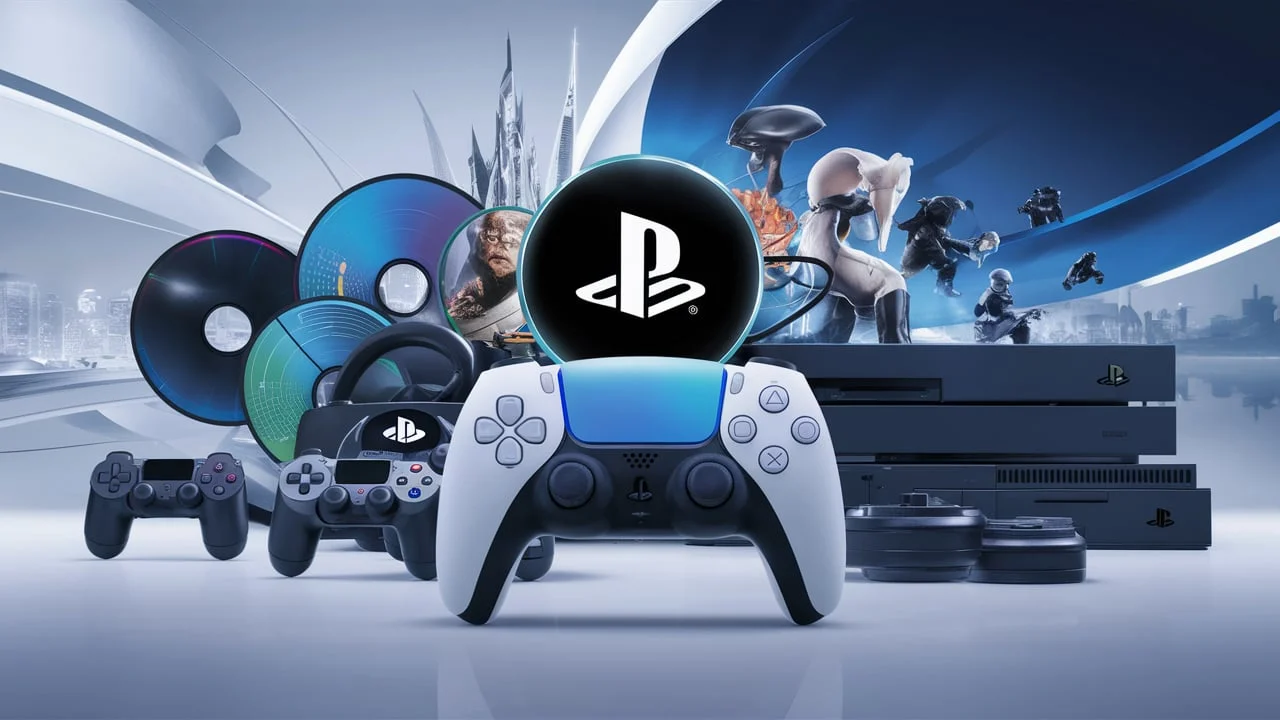
Introduction to the PlayStation Platform
The Sony PlayStation platform business isn’t just about selling consoles. It’s about building a universe—one where hardware, software, services, and community all orbit around the player. Think of it like a theme park for gamers: the console is your ticket, the games are the rides, and the online services are the food courts and souvenir shops that keep you hanging around longer Sony PlayStation Platform Business
What Is the PlayStation Platform?
At its core, the PlayStation platform is a digital and physical ecosystem created by Sony Interactive Entertainment. It includes PlayStation consoles, exclusive and third-party games, online services like PlayStation Network (PSN), subscriptions, accessories, and emerging technologies such as virtual reality. Together, these elements form a tightly integrated business platform designed to keep players engaged for years Sony PlayStation Platform Business
Why PlayStation Matters in the Gaming Industry
PlayStation isn’t just another brand—it’s a cultural icon. For millions of gamers, PlayStation was their first console, their first online match, their first jaw-dropping story-driven game. From a business standpoint, PlayStation consistently ranks among Sony’s most profitable and strategically important divisions. When PlayStation wins, Sony wins big.
The Evolution of Sony PlayStation
The Birth of PlayStation (PS1 Era)
Sony entered the gaming market in the mid-1990s, almost by accident. What started as a failed partnership turned into the original PlayStation, launched in 1994. The PS1 focused on 3D graphics and CD-based games, which were cheaper to produce than cartridges. This move attracted developers in droves and laid the foundation for Sony’s platform-first mindset.
Growth Through PS2 and PS3
The PlayStation 2 was a monster success. It became the best-selling console of all time, doubling as a DVD player and dominating living rooms worldwide. Sony learned an important lesson here: a console can be more than a gaming device—it can be a home entertainment hub.
The PlayStation 3 era was more turbulent. High prices and complex architecture slowed early adoption, but Sony adapted. By investing heavily in exclusive games and online services, PlayStation clawed back its reputation and strengthened its platform business model.
The Modern Era: PS4 and PS5
Hardware Innovation
With the PS4, Sony refocused on developers and players. Simple architecture, powerful hardware, and social features turned the PS4 into a runaway success. The PS5 continues that momentum with lightning-fast SSDs, ray tracing, and immersive audio.
Player-Centric Design
Sony’s modern strategy is simple: make the platform irresistible. Faster load times, smoother gameplay, and seamless online integration all serve one goal—keeping players inside the PlayStation ecosystem.
Sony’s Platform Business Model Explained
Hardware Sales Strategy
Here’s a secret of the console business: hardware often sells at slim margins or even a loss. Sony uses consoles as entry points. Once a player buys a PlayStation, they’re likely to spend money on games, subscriptions, and accessories for years.
Software and First-Party Titles
Games are where the real money is. Sony’s first-party titles, developed by in-house studios, generate high margins and drive console sales. When a blockbuster exclusive launches, console sales spike—it’s a beautiful loop.
Third-Party Publisher Ecosystem
Sony also takes a cut from every third-party game sold on its platform. This includes digital sales, DLC, and microtransactions. The more developers succeed on PlayStation, the more Sony profits.
PlayStation Network (PSN) as a Digital Backbone
Online Multiplayer and Services
PSN connects millions of players worldwide. It powers online multiplayer, voice chat, cloud saves, and social features. From a business angle, PSN is the glue that holds the platform together.
Digital Storefront and Revenue Streams
The PlayStation Store is a goldmine. Digital game sales eliminate manufacturing and distribution costs, boosting profitability. Add-ons, skins, and season passes all flow through Sony’s digital toll booth.
User Accounts and Data Ecosystem
User data helps Sony personalize recommendations, optimize services, and plan future investments. Data isn’t just numbers—it’s insight into what players want next.
Subscription Services and Recurring Revenue
PlayStation Plus
PlayStation Plus transformed Sony’s revenue model. Monthly fees provide predictable income, while free games and online access keep users subscribed. It’s like a gym membership—once you’re in, you tend to stay.
PlayStation Now and Its Evolution
Sony experimented early with cloud gaming through PlayStation Now. While it evolved and merged into broader subscription tiers, it showed Sony’s willingness to adapt.
Tiered Subscription Strategy
By offering multiple subscription tiers, Sony caters to casual players and hardcore fans alike. More value means more engagement—and more revenue.
First-Party Studios and Exclusive Games
Importance of Exclusives
Exclusives are the crown jewels of the PlayStation platform business. They differentiate PlayStation from competitors and create emotional connections with players.
Key Sony Studios
Studios like Naughty Dog, Santa Monica Studio, and Guerrilla Games are storytelling powerhouses. Their games don’t just sell—they define generations of gaming.
Storytelling as a Competitive Edge
Sony leans hard into narrative-driven experiences. While others chase trends, PlayStation builds worlds you remember years later.
Global Market Strategy
Dominance in Japan
PlayStation enjoys strong brand loyalty in its home market. Local developers and culturally relevant titles help maintain that edge.
Strong Presence in North America
North America is PlayStation’s biggest revenue generator. Marketing, esports, and blockbuster launches are heavily focused here.
Expansion in Europe and Emerging Markets
Sony continues expanding into emerging markets, adapting pricing and services to local conditions.
PlayStation Hardware Ecosystem
Consoles
The console remains the centerpiece of Sony’s platform business. Each generation is designed to lock players into the ecosystem for the long haul.
Controllers and Accessories
Accessories like DualSense controllers, headsets, and cameras generate high-margin sales and enhance the user experience.
VR and Emerging Tech
PlayStation VR
Virtual reality represents Sony’s bet on immersive gaming. While still niche, VR strengthens PlayStation’s innovation image.
Digital Transformation of the PlayStation Business
Shift from Physical to Digital
Digital downloads now dominate. This shift increases margins and gives Sony more control over distribution.
Cloud Gaming and Streaming
Cloud gaming reduces reliance on hardware and opens doors to new audiences.
Data-Driven Personalization
From game recommendations to UI tweaks, data helps Sony fine-tune the platform.
Competitive Landscape
PlayStation vs Xbox
The rivalry pushes innovation. Xbox leans into services; PlayStation leans into exclusives. Different paths, same goal.
PlayStation vs Nintendo
Nintendo thrives on unique IP and hardware. PlayStation counters with power and cinematic experiences.
Threat from PC and Mobile Gaming
PC and mobile gaming nibble at market share, forcing Sony to think beyond consoles.
Monetization Strategies
Game Sales
Still the backbone of revenue, especially for first-party titles.
Microtransactions and DLC
Optional purchases extend a game’s lifespan and profitability.
Advertising and Partnerships
Brand partnerships and in-game promotions add incremental revenue.
Community and Brand Loyalty
Building a Global Fanbase
Community engagement turns customers into advocates.
Esports and Competitive Gaming
Esports boosts visibility and keeps players invested.
Social Features and Community Tools
Sharing clips, trophies, and achievements keeps PlayStation social.
Challenges Facing the PlayStation Platform Business
Rising Development Costs
Big games cost big money. Balancing creativity and profitability is tough.
Supply Chain Constraints
Hardware shortages can limit growth.
Regulatory and Market Pressures
Global regulations and acquisitions add complexity.
Future of the Sony PlayStation Platform
Cloud and Cross-Platform Play
The future is flexible. Players want access anywhere.
AI, VR, and Immersive Experiences
Emerging tech will redefine how we play.
Expanding Beyond Consoles
PlayStation is becoming a brand, not just a box.
Conclusion
The Sony PlayStation platform business is a masterclass in ecosystem strategy. By blending hardware, software, services, and storytelling, Sony has built more than a console—it’s built a world. As gaming continues to evolve, PlayStation’s ability to adapt while staying true to its identity will determine how dominant it remains. One thing’s certain: the game is far from over.
FAQs
What is Sony’s main revenue source in the PlayStation business?
Software sales and subscriptions generate the majority of profits, not hardware.
Why are PlayStation exclusives so important?
They differentiate the platform and drive console adoption.
Is PlayStation moving away from consoles?
Not entirely, but it’s expanding into cloud and cross-platform services.
How does PlayStation Plus benefit Sony?
It provides recurring revenue and keeps users engaged long-term.
What’s next for the PlayStation platform?
More services, smarter tech, and deeper immersion.