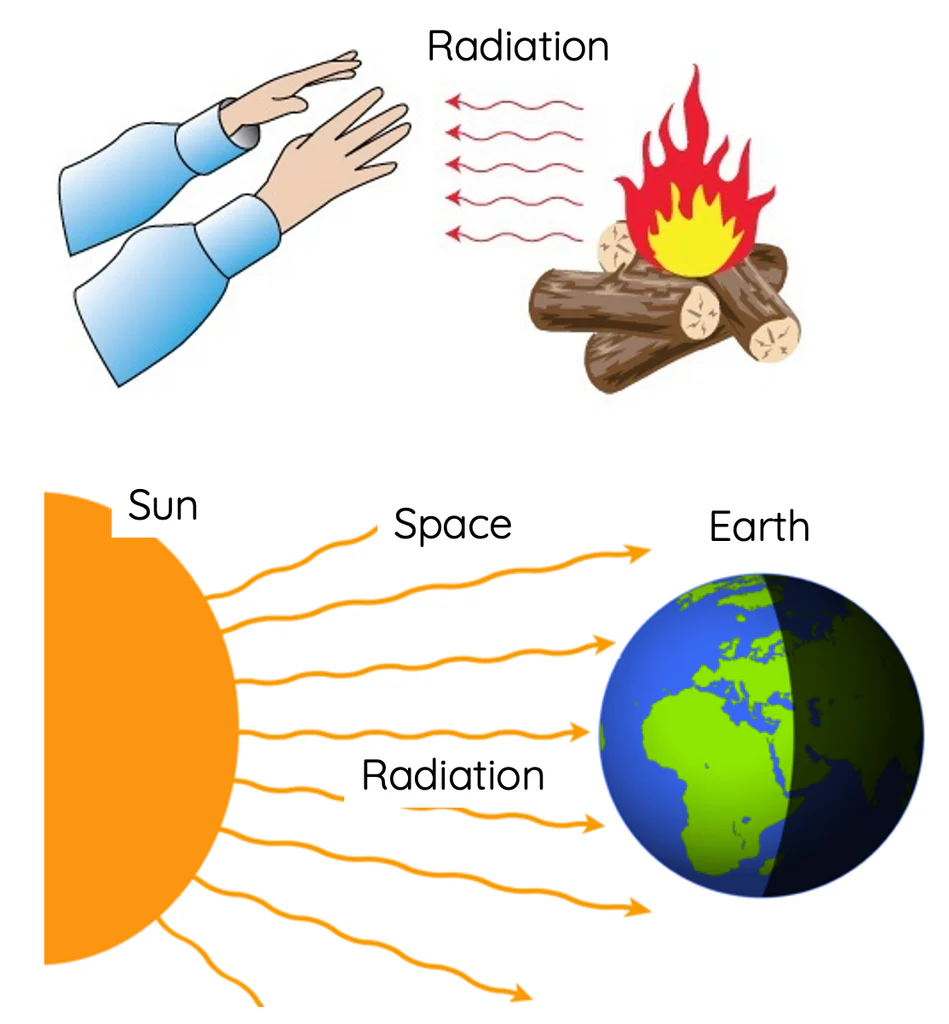
Radiation surrounds us in everyday life, manifesting as energy that travels through space or materials in the form of waves or particles. This fundamental phenomenon powers the sun’s warmth, enables medical imaging, and even contributes to the background hum of the universe. In this article, we delve into the intricacies of examining its various forms, origins, impacts on health, and practical applications. By understanding individuals can better appreciate its dual role as both a beneficial tool and a potential hazard.
Types of Radiation
Scientists classify radiation based on its ability to interact with matter. This categorization helps in assessing risks and applications.
Ionising Radiation
Ionizing carries enough energy to remove electrons from atoms, creating charged particles known as ions. Such interactions can disrupt chemical bonds in living tissues. Common examples include X-rays and gamma rays, which originate from high-energy processes. Alpha particles, consisting of two protons and two neutrons, are emitted during radioactive decay of heavy elements like uranium. These particles travel short distances and are stopped by a sheet of paper or human skin, but they pose significant risks if inhaled or ingested.
Beta particles, on the other hand, are high-speed electrons or positrons released from unstable nuclei. They penetrate farther than alpha particles, requiring materials like plastic or aluminum to block them. Neutrons, uncharged particles from nuclear reactions, indirectly ionize matter by colliding with atoms. Shielding against neutrons often involves hydrogen-rich substances such as water or concrete.
Non-Ionising Radiation
Non-ionizing lacks the energy to ionize atoms but can still cause molecular vibrations or heating. Everyday sources include visible light, which allows us to see, and radio waves used in communication. Microwaves, a form of non-ionizing radiation, heat food by agitating water molecules. Infrared radiation, felt as heat from a fire, falls into this category too. Ultraviolet (UV) light from the sun, while mostly non-ionizing, can lead to skin damage through prolonged exposure.
The electromagnetic spectrum illustrates these differences, with frequency determining energy levels. Lower frequencies like radio waves are harmless in typical doses, whereas higher ones approach ionizing thresholds.
Sources of Radiation
Radiation emanates from both natural and artificial origins, contributing to our constant exposure.
Natural sources account for about half of the average person’s annual dose. Cosmic radiation, high-energy particles from space, bombards Earth continuously. The atmosphere filters much of it, but exposure increases at higher altitudes, affecting airline pilots. Terres arises from radioactive elements in soil and rocks, such as radon gas seeping into homes. This colorless, odorless gas decays into harmful particles and is a leading cause of lung cancer among non-smokers.
Man-made sources have expanded with technology. Medical procedures like CT scans and radiotherapy deliver precise doses for diagnosis and treatment. Nuclear power plants generate electricity through controlled fission, releasing minimal under strict regulations. Industrial uses include smoke detectors containing americium-241 and food irradiation to eliminate bacteria. Accidental releases, as seen in historical events like Chernobyl, highlight the need for safety protocols.
Health Effects of Radiation
The body is affected by radiation in ways that depend on dose, duration, and type. Low levels, such as background , are generally tolerated without noticeable harm. Cells repair minor damage efficiently.
High doses of ionizing radiation, however, can lead to acute effects. Radiation sickness occurs when exposure exceeds certain thresholds, causing nausea, fatigue, and hair loss. In severe cases, organ failure results from destroyed bone marrow. Long-term risks include cancer development, as DNA mutations accumulate over time. Studies link prolonged exposure to increased incidences of leukemia and thyroid disorders.
Non-ionizing radiation’s effects are subtler. Excessive UV exposure causes sunburn and raises skin cancer risks. Radiofrequency fields from cell phones generate heat, but extensive research shows no conclusive link to cancer at everyday levels. Pregnant women are advised to limit exposure as a precaution.
Passive exposure is managed through environmental monitoring. Regulations ensure that radiation levels in workplaces and public spaces remain safe. Active measures, like using sunscreen, reduce personal risks.
Benefits and Applications of Radiation
Despite potential dangers, drives innovation across fields. In medicine, X-rays reveal internal structures without invasive procedures. Radiotherapy targets cancer cells precisely, sparing healthy tissue. Nuclear medicine uses radioactive tracers to diagnose conditions like heart disease.
Industry benefits from radiation in non-destructive testing, where gamma rays inspect welds in pipelines. Agriculture employs irradiation to extend shelf life and control pests, reducing food waste. Scientific research relies on radiation for carbon-14 dating, uncovering historical timelines.
Energy production harnesses nuclear reactions, providing low-carbon power. Satellites use radiation-hardened components to withstand space environments. These applications demonstrate how controlled radiation enhances quality of life.
Protecting Yourself from Radiation
Protection strategies follow the principles of time, distance, and shielding. Limiting exposure time reduces cumulative dose. Increasing distance from sources weakens intensity per the inverse-square law—doubling distance quarters the exposure.
Shielding materials block specific types. Lead aprons protect during dental X-rays, while concrete bunkers contain nuclear reactions. Personal dosimeters monitor workers in high-risk jobs. Home radon tests detect elevated levels, prompting ventilation improvements.
Governments enforce standards through agencies like the EPA and IAEA. Public education empowers individuals to make informed choices, such as choosing low-radiation medical alternatives when possible.
FAQs
What is the difference between ionizing and non-ionizing radiation?
Ionizing radiation has sufficient energy to remove electrons from atoms, potentially causing cellular damage. Non-ionizing radiation, like visible light or radio waves, cannot ionize but may cause heating or other minor effects.
How much radiation is safe?
Safe levels vary, but the average annual background dose is about 3 millisieverts (mSv). Occupational limits are set at 50 mSv per year, with medical exposures evaluated case-by-case to ensure benefits outweigh risks.
Can radiation cause cancer?
Yes, high doses of ionizing radiation increase cancer risk by damaging DNA. However, low-level exposure from natural sources carries minimal risk, and the body repairs much of the damage.
What are common sources of radiation in daily life?
Natural sources include cosmic rays and radon. Man-made include medical X-rays, cell phones (non-ionizing), and air travel, where altitude boosts cosmic exposure.
How can I reduce my radiation exposure?
Test homes for radon, use sunscreen for UV protection, limit unnecessary medical scans, and maintain distance from sources. Follow safety guidelines for electronic devices.