In the ever-shifting landscape of modern healthcare, few professions blend science, precision, and human connection quite like the role of a rad tech. Choosing this path places you at the crossroads of technology and patient care, where every image captured can influence a diagnosis, a treatment plan, or even a life-saving decision. Radio-logic technologists are not background players; they are essential contributors whose expertise allows physicians to see beneath the surface and act with confidence.
What Is Rad Tech?
A rad tech is a specialized healthcare professional educated in diagnostic imaging procedures, primarily involving X-rays and related technologies. These practitioners are responsible for producing accurate, diagnostic-quality images while maintaining rigorous safety standards. Their work environment varies widely—busy hospitals, private imaging centers, outpatient clinics—yet their purpose remains consistent: deliver clarity without compromising patient well-being. Collaboration is constant, as rad techs work side by side with physicians, nurses, and other allied health staff.
Roles and Responsibilities
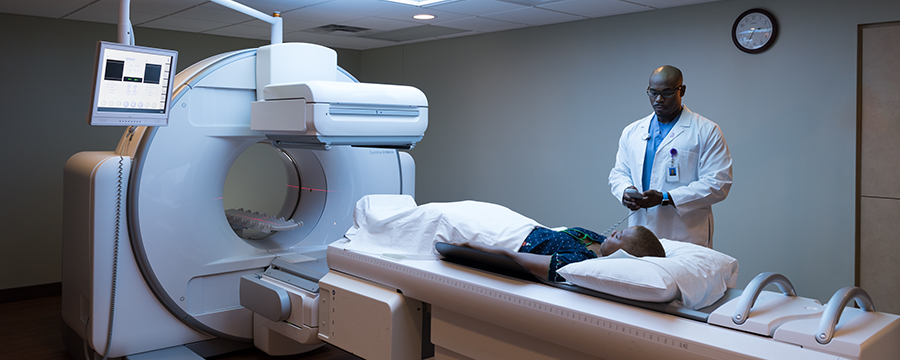
The daily rhythm of a rad tech’s work demands both technical mastery and situational awareness. Imaging equipment must be calibrated, adjusted, and monitored to ensure optimal output. Physicians’ instructions are followed with exacting detail, from patient positioning to exposure settings, while non-targeted body areas are shielded to limit radiation impact.
Beyond operating machinery, rad techs assess images for sharpness and diagnostic value, log procedural details, and, when necessary, administer contrast media to heighten visibility. Patient preparation is a core responsibility—explaining procedures, easing apprehension, and confirming adherence to safety protocols. In high-pressure zones like emergency departments, adaptability is not optional; rapid decisions and calm execution are part of the job.
Equally important is the emotional dimension of the role. Many patients arrive anxious, vulnerable, or in pain. Rad techs often become a steady presence, particularly for children or individuals undergoing repeated scans. This fusion of technical expertise and empathetic care defines the profession. As imaging technologies evolve, continuous learning becomes a professional obligation rather than a choice.
Education and Training for Rad Techs
The journey toward becoming a rad tech begins with structured education. Most professionals enter the field with an associate degree in radiologic technology, though bachelor’s degrees are increasingly pursued for expanded career mobility. Academic programs balance theoretical instruction—covering anatomy, imaging physics, and patient care—with immersive clinical experiences that translate knowledge into practice.
Degree Options
Associate degree programs typically span two years and focus on foundational competencies such as radiographic positioning, radiation safety, and image analysis. Bachelor’s programs extend further, incorporating leadership principles, research literacy, and advanced imaging modalities. Aspiring students benefit from strong preparation in science and mathematics during high school.
Accreditation is non-negotiable. Programs recognized by organizations like the Joint Review Committee on Education in Radiologic Technology (JRCERT) ensure eligibility for certification examinations. While some coursework may be completed online, hands-on clinical hours must occur in approved medical facilities.
Top Programs and Considerations
Renowned institutions, including those affiliated with Mayo Clinic and NYC Health + Hospitals/Bellevue, are known for intensive curricula and strong certification pass rates. When evaluating programs, prospective students should weigh clinical placement quality, instructor experience, and financial investment. Annual tuition often ranges from $7,500 to $15,000, though scholarships, grants, and VA benefits can offset costs.
Training emphasizes ethical responsibility and patient-centered practice. Students are taught to apply the ALARA principle—keeping radiation exposure as low as reasonably achievable. Clinical rotations simulate real-world demands, fostering confidence across diverse patient populations and clinical scenarios.
Certification and Li censure
Graduating from an accredited program is only one milestone. To practice professionally, candidates must pass the American Registry of Radiologic Technologists (ARRT) certification exam, earning the R.T.(R) credential. This comprehensive examination evaluates proficiency in patient care, safety standards, image production, and procedural knowledge. For most employers, certification is a baseline requirement.
State licensure often follows, with requirements varying by jurisdiction. For example, New York mandates licensure through the NYS Department of Health in addition to ARRT certification. Maintaining credentials requires ongoing education—typically 24 continuing education credits every two years—to remain aligned with industry advancements.
Ethical integrity is central to certification eligibility. Applicants must disclose relevant legal history, as certain issues may affect approval. Advanced certifications in specialties such as CT or MRI can further elevate professional standing and career prospects.
Career Outlook and Salary
The employment outlook for rad techs remains robust, fueled by an aging population and continuous innovation in medical imaging. Job growth has outpaced many other healthcare roles, reflecting sustained demand. As of 2024, the median annual salary stands at approximately $78,980, with specialized practitioners or those in high-demand regions earning well above $100,000.
Compensation varies based on experience, geographic location, and area of specialization. Metropolitan centers like New York often offer higher wages due to living costs and patient volume. Entry-level professionals may begin near $60,000, with advancement opportunities leading to supervisory, educational, or administrative positions.
Job satisfaction is frequently cited as a strength of the field. Flexible scheduling options exist, though shifts may include nights or weekends. For many, the balance between professional fulfillment and personal life is a compelling advantage.
Specialisations in Rad Tech
Specialisation allows rad techs to refine their skills and expand earning potential. Computed tomography (CT) focuses on cross-sectional imaging for precise diagnostics, while magnetic resonance imaging (MRI) uses magnetic fields to visualize soft tissues with remarkable detail.
Additional specialties include mammography for early breast cancer detection, bone densitometry for osteoporosis evaluation, and vascular interventional radiography for minimally invasive treatments. Nuclear medicine explores functional imaging through radioactive tracers, whereas sonography relies on ultrasound technology.
Each specialty requires targeted training and certification, often opening doors to focused roles in oncology, cardiology, pediatrics, or other clinical niches. These pathways offer diversity, intellectual challenge, and the opportunity to align work with personal interests.
FAQs About Rad Tech Careers
What Is the Difference Between a Rad Tech and a Radiologist?
A rad tech (radiologic technologist) performs medical imaging procedures such as X-rays, CT scans, and MRIs. A radiologist, on the other hand, is a licensed physician who interprets those images, provides diagnoses, and guides treatment decisions.
How Long Does It Take to Become a Rad Tech?
Radiologic Technologist Education & Training Timeline
Most aspiring rad techs complete an associate degree in radiologic technology in about two years. After graduation, they must obtain professional certification and licensure, depending on state or country requirements.
Is a Rad Tech Career Stressful?
Working as a rad tech can be demanding, especially in high-volume hospitals or emergency departments. However, many professionals find the career rewarding due to patient interaction, hands-on work, and the use of advanced medical imaging technology.
What Are the Risks Associated With Being a Rad Tech?
The primary concern is radiation exposure, but this risk is minimized through strict safety protocols, shielding equipment, and adherence to regulatory standards. When proper precautions are followed, long-term risk is significantly reduced.
Can Rad Techs Advance to Other Healthcare Roles?
Yes. With additional education and certifications, rad techs can advance into roles such as radiation therapist, medical dosimetrist, or pursue advanced healthcare careers like physician assistant (PA) or specialized imaging modalities.