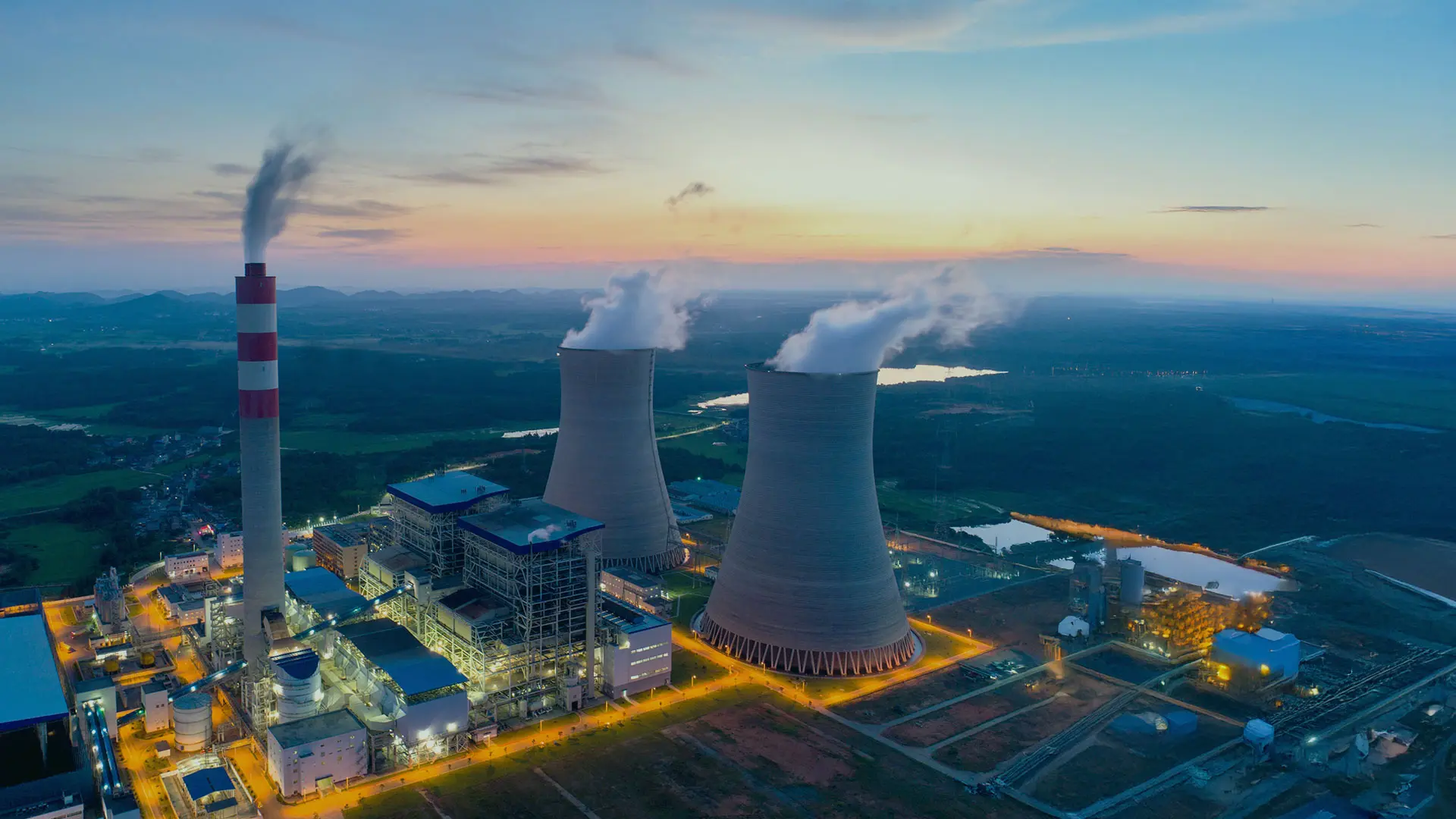
Nuclear energy stands as a cornerstone of modern power generation, offering a reliable and low-carbon alternative to fossil fuels. This form of energy harnesses the immense power locked within atomic nuclei, providing electricity to millions while addressing global climate challenges. In this comprehensive guide, we explore its mechanics, advantages, hurdles, and prospects.
What is Nuclear Energy?
Nuclear energy refers to the power released from the core of atoms through processes like fission and fusion. Atoms, the building blocks of matter, consist of protons, neutrons, and electrons. The nucleus, housing protons and neutrons, holds tremendous energy in its bonds. When these bonds break or form, vast amounts of heat emerge, which we convert into electricity.
Scientists first unlocked this potential in the 1940s, initially for military purposes during World War II. By the 1950s, focus shifted to peaceful applications, leading to the first nuclear power plants. Today, nuclear energy powers about 9% of global electricity, making it the second-largest low-carbon source after hydropower. Countries like France derive over 60% of their electricity from it, showcasing its scalability.
This energy source differs from renewables like solar or wind because it provides consistent baseload power, unaffected by weather. However, it requires careful management of radioactive materials to ensure safety.
How Does Nuclear Energy Work?
Engineers produce nuclear energy primarily through controlled reactions in specialized facilities. The process begins with mining uranium, a naturally occurring element found in rocks worldwide. Uranium-235, a rare isotope, serves as the key fuel due to its fission-prone nature.
Nuclear Fission
In nuclear fission, a neutron collides with a uranium-235 atom, splitting its nucleus into smaller fragments like barium and krypton. This split releases additional neutrons, heat, and radiation, sparking a chain reaction. Reactors control this reaction using moderator materials, such as water or graphite, to slow neutrons and prevent explosions.
Inside a nuclear power plant, fuel rods containing enriched uranium pellets are placed in the reactor core. Heat from fission boils water into steam, which drives turbines connected to generators. Pressurized water reactors, the most common type, use high-pressure water to transfer heat without boiling in the core. This method generates electricity efficiently, with one kilogram of uranium producing energy equivalent to thousands of tons of coal.
Fission has powered most nuclear reactors since the technology’s inception. It emits no direct CO2 during operation, contributing to its low-carbon profile.
Nuclear Fusion
Nuclear fusion mimics the sun’s energy production, where hydrogen atoms fuse into helium under extreme pressure and temperature. This releases even more energy than fission without long-lived radioactive waste. Researchers pursue fusion through projects like ITER in France, aiming for commercial viability by the 2040s.
Fusion promises unlimited fuel from seawater-derived deuterium, but challenges like sustaining plasma at 100 million degrees Celsius persist. While not yet operational for power, advancements in magnetic confinement and laser ignition bring it closer to reality.
Benefits of Nuclear Energy
Nuclear energy offers compelling advantages in our quest for sustainable power. It excels in reducing greenhouse gas emissions and ensuring energy security.
Low-Carbon Energy Source
Power plants using nuclear energy produce minimal CO2—about 12 grams per kilowatt-hour over their lifecycle, comparable to wind and far below coal’s 1,000 grams. This makes it vital for combating climate change. Globally, nuclear power avoids over 2 billion tons of CO2 emissions annually, equivalent to removing millions of cars from roads.
In regions with high nuclear adoption, like Europe, it stabilizes grids while transitioning from fossils. The International Energy Agency projects nuclear capacity must double by 2050 to meet net-zero goals.
Reliability and Efficiency
Unlike intermittent renewables, nuclear reactors operate at over 90% capacity factor, providing round-the-clock power. A single plant can supply electricity to a million homes for decades. Fuel efficiency is unmatched; enriched uranium lasts 3-5 years per refueling, minimizing supply disruptions.
Economically, while upfront costs are high, operational expenses remain low, leading to long-term savings. Nuclear energy also supports job creation in engineering, mining, and research sectors.
Challenges and Concerns of Nuclear Energy
Despite its strengths, nuclear energy faces significant hurdles. Public perception often focuses on risks, influenced by historical incidents.
Safety Issues
Critics highlight accidents like Chernobyl in 1986 and Fukushima in 2011. Chernobyl, due to design flaws and human error, caused about 30 direct deaths and long-term health impacts from radiation exposure. Fukushima resulted in no direct radiation fatalities but over 2,000 indirect deaths from evacuation stress.
Modern reactors incorporate passive safety features, such as automatic shutdowns and robust containment domes. Death rates from nuclear energy stand at 0.03 per terawatt-hour, safer than coal (24.6) or even hydropower (1.3). Regulatory bodies like the IAEA enforce stringent standards to minimize risks.
Nuclear Waste Management
Spent fuel remains radioactive, requiring secure storage. High-level waste, though small in volume, demands geological repositories for thousands of years. Recycling technologies, used in France and Russia, recover usable materials, reducing waste by up to 90%.
Low-level waste from medical and industrial uses adds to the challenge, but managed disposal sites handle it effectively. Advanced reactors promise to burn waste as fuel, further alleviating concerns.
The Future of Nuclear Energy
Innovation drives nuclear energy’s evolution. Small modular reactors (SMRs) offer flexible, factory-built designs for remote areas or grids. Countries like China and the U.S. invest billions in SMRs and Generation IV reactors, which enhance safety and efficiency.
Thorium-based fuels emerge as alternatives to uranium, with abundant reserves and less waste. Fusion breakthroughs could revolutionize the sector, providing limitless clean power. As renewables grow, nuclear complements them for a balanced, decarbonized energy mix.
Global expansion continues, with 74 reactors under construction, mainly in Asia. Policies supporting nuclear, like the EU’s taxonomy inclusion, signal growing acceptance.
FAQs
What is the difference between nuclear fission and fusion?
Nuclear fission splits atoms to release energy, used in current power plants. Fusion combines atoms, like in the sun, and is under development for cleaner, abundant power.
Is nuclear energy renewable?
No, nuclear energy relies on finite uranium, making it nonrenewable. However, vast reserves and recycling extend its sustainability for centuries.
How does nuclear energy impact the environment?
It produces low greenhouse gases, aiding climate goals, but requires careful waste management to avoid contamination. Overall, its environmental footprint is smaller than fossil fuels.
Are nuclear power plants safe?
Yes, with modern designs and regulations, they are among the safest energy sources. Accidents are rare, and lessons from past events strengthen protocols.
What role does nuclear energy play in climate change?
Nuclear energy provides reliable low-carbon electricity, essential for reducing CO2 emissions and achieving net-zero targets by 2050.