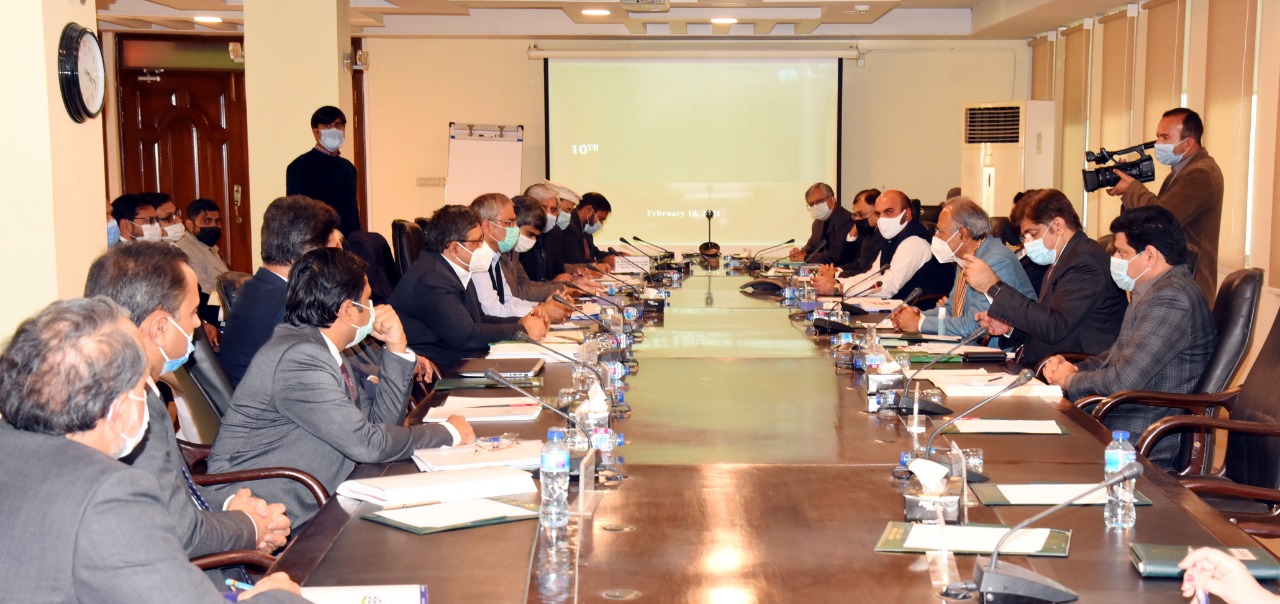
Established under Article 160 of the Constitution of Pakistan, the National Finance Commission plays a vital role in addressing fiscal imbalances and promoting balanced development across the country.
What is the National Finance Commission?
The National Finance Commission (NFC) is a constitutional body formed by the President of Pakistan. It comprises the Federal Minister for Finance, the four Provincial Finance Ministers, and additional members appointed after consultation with provincial governors.
Its primary duty involves making recommendations on:
- Distribution of net proceeds from specified taxes between the federation and provinces.
- Grants-in-aid from the federal government to provinces.
- Borrowing powers of federal and provincial governments.
- Any other finance-related matters referred by the President.
The NFC convenes at intervals not exceeding five years, though in practice, awards have varied in duration and success.
The current framework operates under the 7th NFC Award (effective since 2010), as subsequent commissions (8th, 9th, and 10th) failed to produce new recommendations. As of early 2026, the 11th NFC has been constituted but faces delays, with working groups largely inactive and the second meeting postponed beyond initial plans.
Historical Evolution of NFC Awards
Pakistan’s NFC journey began post-independence, with formal awards under the 1973 Constitution starting in the 1970s.
Key milestones include:
- 1st NFC (1974-1975): Relied solely on population for horizontal distribution (among provinces).
- 2nd (1979) and 3rd (1985): Inconclusive; previous formula continued.
- 4th NFC (1990): Expanded the divisible pool and introduced special grants.
- 5th NFC (1996): Further refined transfers, including more taxes.
- 6th NFC (2000): Interim adjustments.
- 7th NFC (2009): Landmark award increasing provincial share to 57.5% (from around 45%), introducing multiple criteria: population (82%), poverty/backwardness (10.3%), revenue generation (5%), and inverse population density (2.7%). It also ensured provinces’ share never falls below previous levels.
The 7th Award marked greater provincial autonomy but has remained in force for over 15 years due to stalled successors.
Key Features of the 7th NFC Award
This award significantly boosted provincial resources by expanding the divisible pool (including income taxes, sales tax, excise duties, etc.) and reducing federal collection charges.
Provinces received:
- Higher vertical share (federal: 42.5%, provinces: 57.5%).
- Horizontal distribution weighted toward population but diversified for equity.
It included straight transfers (e.g., royalties, net hydel profits) and aimed at poverty reduction.
Implementation is monitored biannually by federal and provincial finance ministers, with reports to parliament and assemblies.
Challenges and Criticisms of the NFC System
Despite successes, the NFC faces hurdles:
- Over-reliance on population discourages demographic management and favors larger provinces.
- Delays in new awards create uncertainty.
- Provinces argue for more criteria (e.g., area, inverse density, human development) to address backwardness.
- Federal concerns over revenue mobilization and fiscal deficits.
- Recent 11th NFC stalls highlight coordination issues.
Critics note it rewards size over efficiency, potentially hindering balanced growth.
The Way Forward for the 11th NFC Award
With the 11th NFC underway (constituted in 2025), discussions focus on revenue enhancement, provincial tax efforts, and formula reforms.
Potential improvements include:
- Incorporating performance incentives (e.g., fiscal discipline, demographic progress).
- Addressing merged areas’ needs (e.g., former FATA in Khyber Pakhtunkhwa).
- Ensuring transparency and timely implementation.
A reformed NFC could promote sustainable federalism, equitable development, and national cohesion.
FAQs
What is the main purpose of the National Finance Commission?
The National Finance Commission recommends fair revenue sharing between the federal government and provinces to reduce fiscal imbalances and support provincial expenditures.
How often is the NFC supposed to be constituted?
Under Article 160, every five years or sooner, though delays have occurred.
Which NFC Award is currently in effect?
The 7th NFC Award (2009), as later commissions did not finalize new recommendations.
Why has the 11th NFC faced delays in 2026?
Working groups remain inactive, and the second meeting (planned for January) has not occurred, stalling progress on a new award.
How does the NFC impact provincial development?
It provides resources for infrastructure, health, education, and poverty alleviation, with the 7th Award significantly increasing provincial funds.