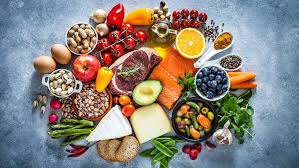
Introduction to the Meat and Fruit Diet
The meat and fruit diet, a straightforward eating plan emphasising high-quality meats and seasonal fruits, has gained traction among health enthusiasts seeking simplicity and nourishment. This approach strips away processed foods, grains, and vegetables, focusing instead on bioavailable nutrients from animal sources and natural sugars from fruits. Proponents claim it enhances energy levels, improves digestion, and supports metabolic health without the complexities of traditional diets.
In recent years, variations of animal-based diets have surged in popularity, but adding fruits differentiates this from strict carnivore regimens. By incorporating fruits, followers aim to balance electrolytes, add fiber, and enjoy variety while maintaining low-carb principles.
What Is the Meat and Fruit Diet?
Origins and Principles
The meat and fruit diet draws inspiration from ancestral eating patterns, where hunters-gatherers consumed wild game and foraged fruits. Modern interpretations, popularized by figures like Paul Saladino in his “Animal-Based” philosophy, advocate for nose-to-tail eating combined with low-toxicity fruits like berries and citrus.
Core principles include prioritizing grass-fed meats, organ meats, and raw honey alongside fruits such as apples, bananas, and avocados. Dairy and eggs may be included sparingly, but the focus remains on minimizing plant toxins found in many vegetables.
Key Components
Meats form the foundation, providing essential proteins, fats, and micronutrients. Fruits are selected for their digestibility and vitamin content, avoiding high-oxalate options like spinach. This synergy is believed to mimic evolutionary diets, promoting satiety and reducing inflammation.
Benefits of the Meat and Fruit Diet
Health Improvements
Numerous anecdotal reports suggest the meat and fruit diet can alleviate digestive issues. Bloating and IBS symptoms are often reduced as fiber from fruits is gentler than from veggies. Active participants in online communities report clearer skin and better mental clarity, attributed to stable blood sugar from natural fruit sugars paired with protein.
Weight management is another perk. High-protein meals curb hunger, while fruits satisfy sweet cravings without processed carbs. Studies on low-carb diets support this, showing improved insulin sensitivity.
Nutritional Advantages
Essential amino acids from meat support muscle repair, while fruits deliver vitamins C and K. This combination ensures a broad nutrient profile. For instance, beef liver offers vitamin A, complemented by oranges for immune boosting.
Potential drawbacks, like nutrient gaps, are mitigated by variety. However, consulting a doctor is advised for long-term adherence.
How to Start the Meat and Fruit Diet
Meal Planning Basics
Begin with simple meals: grilled steak with berries for breakfast, or ground beef with mango salsa for lunch. Dinner could feature salmon and pineapple. Aim for 70-80% calories from meat and fat, the rest from fruits.
Shopping lists should include ribeye, chicken livers, and seasonal fruits. Organic choices minimize pesticides.
Daily Sample Menu
- Breakfast: Eggs scrambled with bacon and a side of blueberries.
- Lunch: Lamb chops paired with sliced apples and honey drizzle.
- Dinner: Pork tenderloin with avocado and citrus salad.
- Snacks: Beef jerky or a handful of cherries.
This structure keeps things engaging without monotony.
Potential Challenges and Solutions
Common Obstacles
Transitioning might cause temporary fatigue as the body adapts from carb reliance. Electrolyte imbalances can occur, but fruits like bananas provide potassium.
Social eating poses hurdles; prepare by packing fruit-meat combos for outings.
Tips for Success
Track progress with a journal. Incorporate bone broth for minerals. Gradually introduce organ meats to build tolerance.
Sustainability is key—listen to your body and adjust fruit intake based on activity levels.
Scientific Backing and Criticisms
Research Insights
While direct studies on the meat and fruit diet are limited, related research on ketogenic and paleo diets offers clues. A 2022 review in Nutrients journal highlighted benefits of animal-based foods for metabolic syndrome. Fruits add antioxidants, potentially reducing oxidative stress.
Critics argue it lacks fiber diversity, but proponents counter that fruit pectin suffices.
Expert Opinions
Nutritionists like those from the Weston A. Price Foundation endorse similar diets for dental health and vitality. However, vegans critique its environmental impact, though regenerative farming addresses this.
Meat and Fruit Diet vs. Other Diets
Comparison with Carnivore Diet
Unlike pure carnivore, which excludes plants, the meat and fruit diet includes fruits for carbs and flavor. This makes it more approachable for beginners.
Vs. Vegan or Keto
Vegans rely on plants, potentially missing B12, while this diet ensures it via meat. Keto overlaps but allows more fruit carbs.
Long-Term Considerations
Adherence over months can lead to optimized hormones. Women might notice cycle improvements from balanced fats. Athletes benefit from quick energy from fruits.
Monitor bloodwork for cholesterol and vitamins.
FAQs
What foods are allowed on the meat and fruit diet?
Primarily high-quality meats like beef, pork, poultry, fish, and organs, plus low-toxicity fruits such as berries, citrus, apples, and tropical varieties. Honey and some dairy optional.
Is the meat and fruit diet safe for everyone?
It’s generally safe but consult a healthcare provider, especially if you have kidney issues or are pregnant. Start slowly to assess tolerance.
Can I lose weight on the meat and fruit diet?
Yes, many report weight loss due to high satiety from proteins and controlled carbs from fruits. Combine with exercise for best results.
How does the meat and fruit diet affect energy levels?
Followers often experience sustained energy without crashes, thanks to stable blood sugar from protein-fruit pairings.
Are there any side effects?
Initial adaptation may include fatigue or digestive changes. These usually resolve within weeks as the body adjusts.