The Fisher Space Pen is an iconic invention that has revolutionised how we think about writing instruments, blending cutting-edge technology with everyday practicality. Designed to perform in the harshest environments, this pen has earned its place in history as the go-to tool for astronauts, adventurers, and professionals who demand reliability. Whether you’re jotting notes upside down, underwater, or in freezing temperatures, the Fisher Space Pen delivers unmatched performance without skipping a beat.
The History Behind the Fisher Space Pen
The story of the Fisher Space Pen begins in the mid-20th century, amid the intense Space Race between the United States and the Soviet Union. Invented by Paul C. Fisher, an American entrepreneur, the pen addressed a simple yet critical problem: how to write reliably in zero gravity. Fisher invested over a million dollars of his own money—equivalent to about $10 million today—into developing a special thixotropic ink that wouldn’t leak or fail in extreme conditions. His efforts paid off when he patented the AG7 model in 1965.
Development and Innovation
Paul Fisher wasn’t backed by government funds; he funded the project privately through his company in Boulder City, Nevada. The pen’s pressurized cartridge was a breakthrough, using nitrogen gas at 45 psi to force the ink onto the page. This design ensured the ink flowed smoothly regardless of orientation or environment. Early tests proved its worth, and by 1967, NASA had placed an order for 400 pens at just $2.95 each. The Fisher Space Pen quickly became standard issue for space missions, replacing less reliable options like pencils that could break and create hazardous floating debris.
Adoption in Space Exploration
NASA adopted the Fisher Space Pen for the Apollo 7 mission in 1968, where astronaut Walter Cunningham used it successfully. Soon after, the Soviet space program followed suit, purchasing 100 pens in 1969 for their Soyuz missions. To this day, these pens are used on the International Space Station, proving their enduring legacy. Beyond space, the pen has found applications in military operations, outdoor expeditions, and even Antarctic research stations, where temperatures drop to -30°F.
How the Fisher Space Pen Works
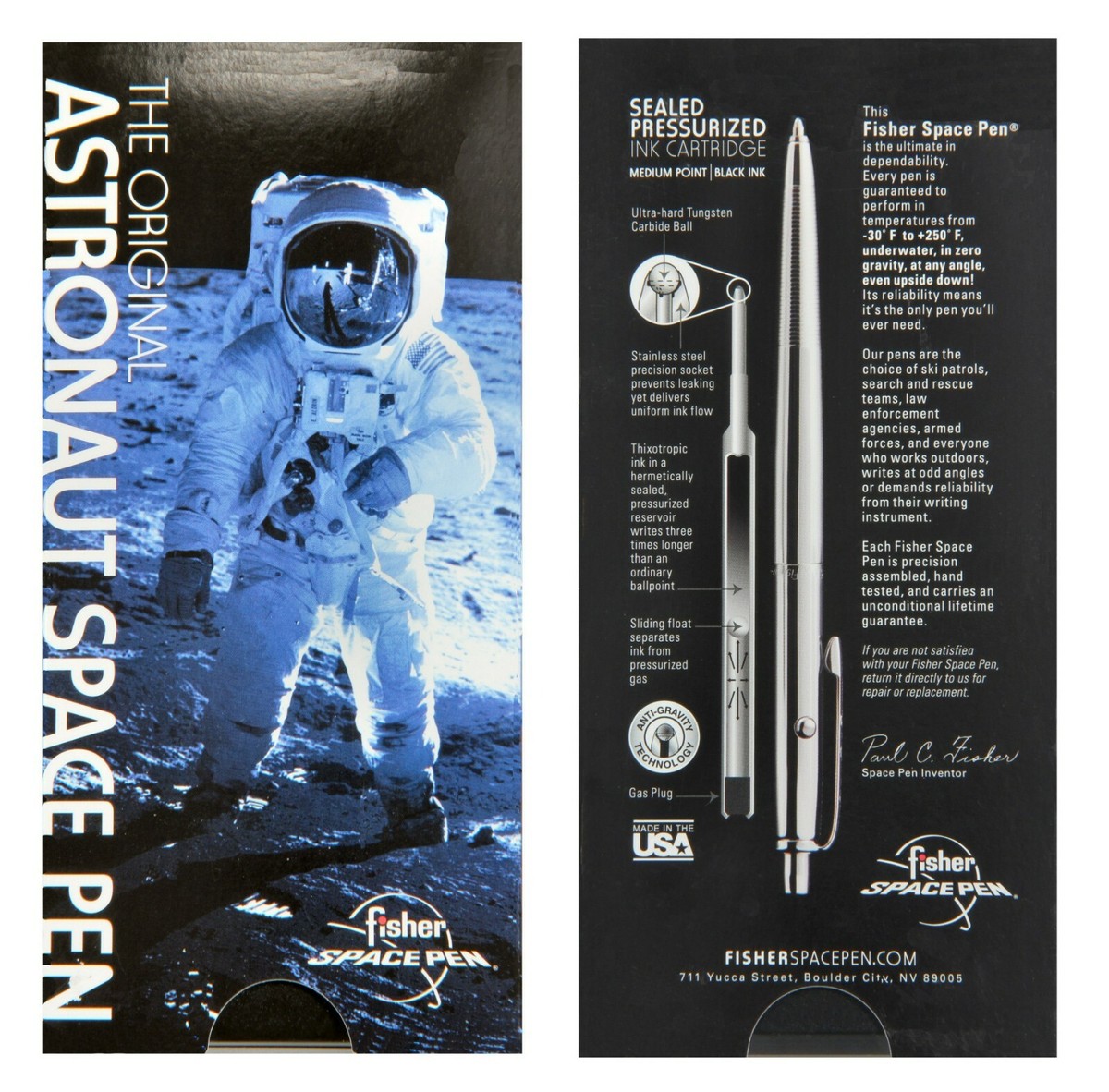
At its core, the Fisher Space Pen relies on a sealed, pressurized ink reservoir that sets it apart from ordinary ballpoints. A tungsten carbide ball is precisely fitted into the tip to prevent leaks, while a sliding float separates the ink from the pressurizing gas. When you write, the thixotropic ink—viscous until agitated—flows evenly. This mechanism allows the pen to function in zero gravity, where traditional pens would fail due to ink pooling. The ink is pushed out consistently, enabling writing on greasy surfaces, wet paper, or even underwater.
Engineers designed the cartridge to last three times longer than standard refills, with some models offering up to 30 miles of writing. The pen operates in temperatures from -35°C to 120°C, making it ideal for diverse scenarios. Users appreciate how the ink doesn’t dry out, even after years of storage, ensuring it’s always ready when needed.
Key Features and Benefits of the Fisher Space Pen
Durability stands out as a primary feature of the Fisher Space Pen. Crafted from high-quality materials like brass or titanium, these pens resist corrosion and withstand rough handling. The compact design, especially in bullet models, makes them pocket-friendly—measuring under 4 inches when closed but extending to full size for comfortable use.
Versatility in Extreme Conditions
The Fisher Space Pen excels where others falter. It writes upside down without interruption, a boon for mechanics or pilots. Underwater performance has been tested by divers, and its ability to mark greasy tools appeals to tradespeople. In high-heat environments, the ink remains stable, avoiding the melting issues common in lesser pens. This versatility extends to everyday tasks, like signing receipts in the rain or noting ideas during hikes.
Reliability and Longevity
Refills boast an impressive shelf life of up to 100 years, and the pen’s construction ensures it lasts a lifetime with proper care. Many users report using the same refill for years, thanks to the efficient ink delivery. The Fisher Space Pen also comes with a lifetime warranty against manufacturing defects, underscoring the company’s confidence in its product. For those seeking eco-friendly options, the reusable body reduces waste compared to disposable pens.
Popular Models of the Fisher Space Pen
Fisher offers a range of models to suit different needs, from sleek everyday carries to rugged tactical versions. Each incorporates the signature pressurized refill, ensuring consistent performance.
The Classic Bullet Pen
The Bullet Pen is the most recognizable model, shaped like a capsule for easy portability. When capped, it’s compact enough for keychains or wallets, but posting the cap creates a balanced, full-length tool. Available in finishes like matte black, chrome, or cerakote, it appeals to minimalists. Users praise its smooth deployment and the satisfying “click” when opening. Priced affordably, it’s a great entry point for newcomers to the Fisher lineup.
AG7 Astronaut Pen
Modeled after the original used in space, the AG7 features a retractable design with a side button for one-handed operation. Its brass body develops a patina over time, adding character. This model is favored by professionals in aviation and military fields for its robust build and precise writing. Variants include titanium nitride coatings for extra durability, making it suitable for harsh environments.
Specialized Variants
For tactical users, the Clutch model offers a knurled grip and heavy-duty clip, ideal for fieldwork. The Infinium series promises a lifetime of ink for average writers, covering up to 49 kilometers. Cerakote editions provide scratch-resistant finishes in colors like navy blue, enhancing aesthetics without sacrificing function. Accessories like stylus tips or keyring attachments expand usability for modern needs.
Debunking Common Myths About the Fisher Space Pen
A popular urban legend claims NASA spent millions developing the pen while the Soviets used pencils. In truth, Fisher invented it independently, and both programs initially relied on pencils before switching due to safety concerns—like graphite dust in zero gravity. NASA’s total spend was minimal, and the myth overlooks the pen’s practical advantages in preventing fires or equipment damage.
Another misconception is that the pen is overpriced gimmickry. Reviews show it’s a reliable tool for real-world extremes, not just novelty. While the ink can feel scratchy on first use, it smooths out, offering value far beyond standard ballpoints.
Why Choose a Fisher Space Pen Today?
In a world of disposable writing tools, the Fisher Space Pen stands for quality and innovation. It combines space-age technology with timeless design, making it perfect for adventurers, writers, and anyone tired of unreliable pens. Whether for daily journaling or emergency kits, its proven track record ensures peace of mind. Investing in one means owning a piece of history that performs flawlessly.
FAQs
What makes the Fisher Space Pen different from regular pens?
The Fisher Space Pen uses pressurized ink that allows writing in zero gravity, underwater, or at any angle, unlike standard pens that rely on gravity.
Can the Fisher Space Pen really write in space?
Yes, it was used on Apollo missions and continues on the ISS, thanks to its thixotropic ink and sealed cartridge.
How long does a Fisher Space Pen refill last?
Standard refills write up to 12,000 feet, while some models like the Infinium offer a lifetime supply for average users.
Is the Fisher Space Pen waterproof?
Absolutely; it writes on wet surfaces and even underwater, making it ideal for outdoor or marine activities.
Where can I buy authentic Fisher Space Pen refills?
Refills are available from the official Fisher website, authorized retailers like Amazon, or specialty stores, ensuring compatibility with various pen bodies.