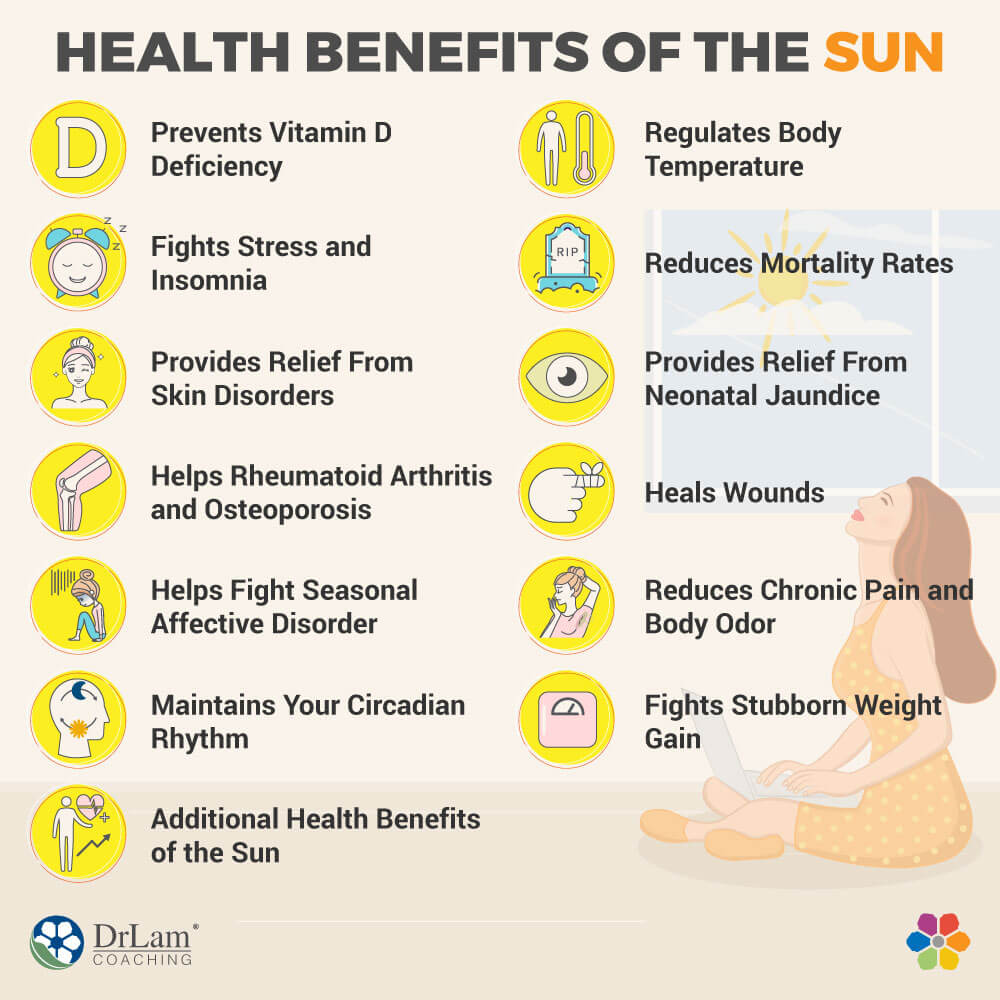
Sunshine health plays a vital role in our daily lives, offering numerous advantages that enhance physical and mental well-being. From boosting vitamin D levels to improving mood, exposure to sunlight can transform how we feel and function. In this article, we’ll explore the science behind these benefits, practical tips for safe sun exposure, and why incorporating more sunshine into your routine could be a game-changer for overall health.
The Science Behind Sunshine Health
Sunlight influences our bodies in profound ways. When ultraviolet B (UVB) rays hit the skin, they trigger a chemical reaction that produces vitamin D, often called the “sunshine vitamin.” This essential nutrient supports various bodily functions.
How Sunlight Produces Vitamin D
Your skin contains a compound called 7-dehydrocholesterol. UVB rays convert this into vitamin D3, which the liver and kidneys then activate. This process is efficient; just 10-30 minutes of midday sun on bare arms and face can meet daily needs for many people. Vitamin D helps absorb calcium, strengthening bones and preventing conditions like osteoporosis.
Research shows that adequate vitamin D levels reduce the risk of fractures. For instance, studies indicate that people with sufficient exposure experience fewer bone-related issues. However, factors like skin tone, location, and season affect production rates.
Impact on Immune Function
Sunshine health extends to bolstering immunity. Vitamin D regulates immune cells, helping fight infections. During colder months, when sunlight is scarce, deficiency rises, potentially increasing susceptibility to colds and flu.
Scientists have linked higher vitamin D to lower inflammation. This can aid in managing autoimmune diseases. Regular, moderate exposure supports a balanced immune response without overstimulating it.
Mental Health Benefits of Sunshine
Beyond physical perks, sunshine health significantly affects mental state. Natural light influences brain chemistry, promoting positivity and reducing stress.
Boosting Mood and Reducing Depression
Sunlight stimulates serotonin production, a neurotransmitter that enhances mood. Low serotonin is associated with depression, especially seasonal affective disorder (SAD) in winter. Morning sun exposure can elevate energy and focus.
Studies suggest 20-30 minutes outdoors daily improves emotional well-being. People report feeling calmer and more optimistic after time in the sun. This natural boost often rivals light therapy lamps used for mood disorders.
Enhancing Sleep Quality
Sunshine health also regulates circadian rhythms. Morning light suppresses melatonin during the day, making you alert, then allows its rise at night for better sleep. Disrupted rhythms from indoor lifestyles lead to insomnia.
By getting sunlight early, you align your internal clock. This leads to deeper rest and easier wake-ups. Experts recommend avoiding screens before bed to complement this effect.
Physical Health Advantages
Sunlight offers tangible benefits for the body, from cardiovascular support to weight management. These effects stem from both vitamin D and other pathways.
Supporting Heart Health
Emerging research highlights sunshine health’s role in cardiovascular wellness. Sun exposure releases nitric oxide in the skin, dilating blood vessels and lowering blood pressure. Just 20 minutes can have this effect.
Epidemiological data shows people in sunnier regions have lower heart disease rates. Vitamin D also reduces inflammation in arteries, potentially cutting risks of heart attacks and strokes.
Aiding Weight Loss and Metabolism
Morning sunlight may help control weight. It influences fat cells, possibly shrinking them under the skin. Combined with outdoor activity, this promotes calorie burn.
Studies indicate 20-30 minutes of early sun correlates with lower BMI. Sunshine health encourages exercise, creating a positive cycle for metabolism and energy levels.
Strengthening Bones and Muscles
As mentioned, vitamin D from sun is crucial for bone density. It prevents rickets in children and osteomalacia in adults. Muscles also benefit, with better strength and reduced fall risks in older adults.
Athletes often incorporate sun exposure into training for recovery. Balanced sunshine health supports overall musculoskeletal integrity.
Risks and Safe Practices for Sunshine Health
While benefits abound, overexposure poses dangers like skin cancer and premature aging. Balance is key.
Understanding UV Risks
UVA and UVB rays can damage DNA in skin cells. Prolonged exposure without protection increases melanoma risk. Darker skin tones offer some natural shield but still need caution.
Always monitor UV index; high levels mean shorter sessions. Clouds don’t fully block rays, so protection remains essential.
Tips for Safe Sun Exposure
Start with short periods, building tolerance. Use broad-spectrum sunscreen with SPF 30+ on exposed areas after initial vitamin D synthesis. Wear hats, sunglasses, and light clothing.
Seek shade during peak hours (10 a.m. to 4 p.m.). Hydrate well, as sun can dehydrate. For those with sensitivities, consult doctors about supplements.
Incorporating Sunshine Health into Daily Life
Making sunshine a habit is simple and rewarding. Small changes yield big results.
Daily Routines for Optimal Exposure
Take morning walks or eat breakfast outdoors. Garden or exercise in parks. Even office breaks by windows help, though glass filters UVB.
In winter, maximize available light. Travel to sunnier spots if possible. Light therapy devices mimic benefits indoors.
Dietary and Supplemental Support
While sunshine is primary, foods like fatty fish, eggs, and fortified milk provide vitamin D. Supplements bridge gaps, especially in low-sun areas. Aim for 600-800 IU daily, or more if deficient.
Blood tests confirm levels. Work with healthcare providers for personalized plans.
Global Perspectives on Sunshine Health
Different regions approach sunlight differently. In equatorial areas, abundant sun means focusing on protection. Northern latitudes combat deficiencies with awareness campaigns.
Cultural practices, like siestas in hot climates, align with safe exposure. Global health organizations emphasize balanced approaches for universal benefits.
Research and Future Directions
Ongoing studies explore non-vitamin D pathways, like nitric oxide’s role. Innovations in wearables track exposure. Public health policies may shift to promote safe sunshine health.
Experts predict integrated guidelines combining sun, diet, and activity for holistic wellness.
FAQs
What is the ideal daily sun exposure for vitamin D?
Most people need 10-30 minutes of midday sun on arms and face, several times a week. This varies by skin type, location, and season.
Can I get sunshine health benefits through windows?
No, glass blocks UVB rays needed for vitamin D. Direct outdoor exposure is best.
Is sunscreen bad for vitamin D production?
Sunscreen reduces UVB absorption, but short unprotected exposure first, then applying it, balances benefits and protection.
How does sunshine health affect mental health?
It boosts serotonin, reducing depression and anxiety while improving focus and energy.
What if I live in a cloudy area?
Supplements and vitamin D-rich foods help. Maximize available sunlight and consider light therapy.