
To Understanding the Richness of Marine Ecosystem forms the backbone of Earth’s oceanic life, teeming with diverse species that sustain global biodiversity. Covering over 70% of the planet’s surface, this vast network influences climate, food chains, and human livelihoods. Scientists highlight how interconnected habitats—from vibrant coral reefs to shadowy deep-sea vents—support millions of organisms. Yet, human activities increasingly endanger this delicate balance. In this article, we dive into the wonders of the marine ecosystem, its critical role, emerging threats, and actionable conservation steps.
What Defines a Marine Ecosystem?
Marine ecosystems thrive in saltwater environments, contrasting sharply with freshwater systems due to high salinity levels. Researchers define them as dynamic communities where abiotic factors like temperature, currents, and light interact with biotic elements such as plants, animals, and microbes. Phytoplankton, for instance, kickstarts the food web by converting sunlight into energy through photosynthesis.
Active ocean currents distribute nutrients, fostering growth in nutrient-rich upwelling zones. Predators like sharks patrol these waters, maintaining population balances. Unlike terrestrial ecosystems, marine ones span immense depths and distances, creating unique pressure and light gradients. This complexity demands adaptive strategies from inhabitants; jellyfish, for example, propel through water with rhythmic pulses, evading threats efficiently.
Key Components of Marine Life
At the core of every marine ecosystem lies biodiversity. Microscopic plankton forms the base, fueling larger herbivores like zooplankton. Herbivores then nourish carnivores, culminating in apex predators such as orcas. Symbiotic relationships abound—clownfish shield anemones from predators while gaining protection in return.
Seagrasses and kelp forests anchor coastal areas, oxygenating water and stabilizing sediments. These underwater meadows shelter juvenile fish, boosting fish stocks for fisheries worldwide. Deep-sea chemosynthetic bacteria, meanwhile, harness chemical energy near hydrothermal vents, independent of sunlight. Such innovations reveal the resilience embedded in marine biodiversity.
Diverse Types of Marine Ecosystems
The ocean hosts varied habitats, each with specialized adaptations. Coastal zones, including estuaries and mangroves, serve as nurseries for countless species. Estuaries mix fresh and saltwater, creating fertile breeding grounds. Mangrove roots trap sediments and filter pollutants, acting as natural barriers against erosion.
Coral Reefs: Underwater Cities
Coral reefs epitomize marine ecosystem richness, housing a quarter of all ocean species despite covering less than 1% of the seafloor. Polyps build calcium carbonate structures, providing nooks for fish and invertebrates. Algae living within corals photosynthesize, supplying energy in exchange for shelter. Divers witness parrotfish grazing algae, preventing overgrowth that could smother reefs.
These ecosystems face bleaching from warming waters, yet restoration projects replant resilient corals. In the Great Barrier Reef, scientists deploy “coral IVF” techniques, accelerating growth to combat decline. Such efforts underscore reefs’ economic value—tourism alone generates billions annually.
Open Ocean and Pelagic Zones
The open ocean, or pelagic zone, dominates with endless blue expanses. Here, migratory species like tuna traverse currents, following prey schools. Surface waters host flying fish that leap to escape predators, while bioluminescent organisms illuminate midnight hunts below.
This realm regulates carbon cycles; sinking phytoplankton particles sequester CO2 in abyssal depths. Satellites track these migrations, revealing how El Niño events disrupt patterns, impacting global fisheries.
Deep-Sea Mysteries
Deep-sea ecosystems challenge comprehension, with pressures crushing submarines and temperatures hovering near freezing. Tube worms cluster around vents, deriving sustenance from sulfide-oxidizing bacteria. Anglerfish lure prey with glowing lures, showcasing evolutionary ingenuity.
Explorers deploy remotely operated vehicles (ROVs) to map these realms, uncovering new species yearly. Mining interests threaten these fragile sites, prompting calls for protected zones.
The Vital Role of Marine Ecosystems in Global Health
Marine ecosystems drive planetary well-being. They produce half of Earth’s oxygen via phytoplankton, rivaling rainforests in impact. Fisheries supply protein to billions, with sustainable practices ensuring long-term yields. Coral reefs buffer coastlines from storms, saving infrastructure costs.

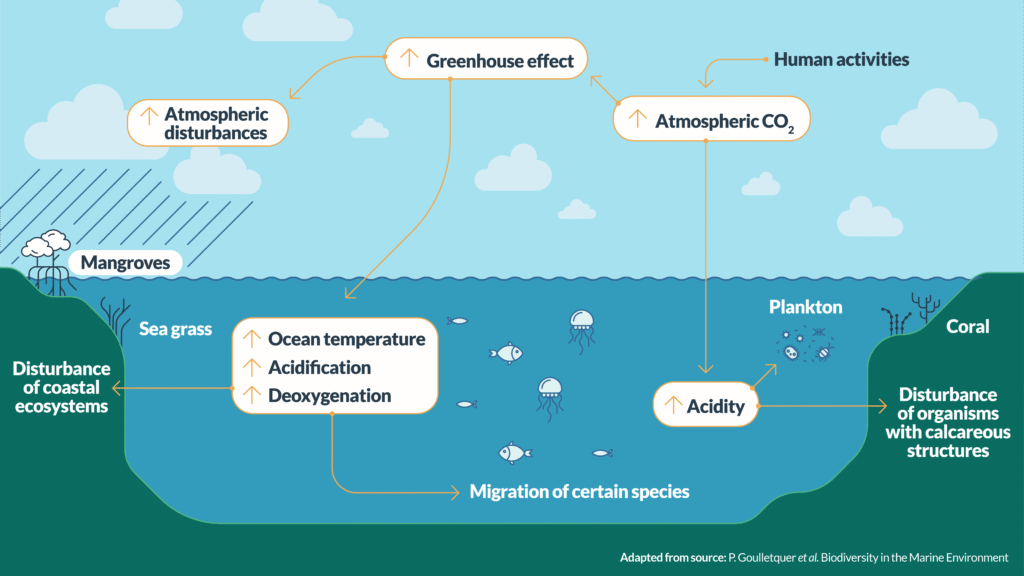
Biodiversity fosters resilience; diverse gene pools help species adapt to changes. Oceans absorb 90% of excess heat from climate shifts, moderating temperatures. Yet, this service strains the system, accelerating acidification that dissolves shellfish shells.
Economically, marine life underpins industries from pharmaceuticals—derived from sea sponges—to aquaculture. Tourism draws adventurers to snorkel among sea turtles, injecting funds into local economies. Protecting these assets demands integrated management, blending science with policy.
Emerging Threats to Marine Biodiversity
Human footprints increasingly scar the marine ecosystem. Plastic pollution chokes marine life; turtles mistake bags for jellyfish, leading to fatal ingestions. Overfishing depletes stocks, collapsing food webs—cod populations plummeted 90% in the North Atlantic by the 1990s.
Climate change exacerbates woes. Rising temperatures trigger coral bleaching, while sea-level rise submerges mangroves. Ocean acidification, from CO2 absorption, hampers calcification in shellfish. Dead zones, fueled by agricultural runoff, suffocate bottom-dwellers through hypoxia.
Illegal fishing and bycatch claim unintended victims, like endangered vaquitas in gillnets. Noise from shipping disrupts whale communications, stranding pods. Addressing these requires global cooperation, from reducing emissions to curbing waste.
Conservation Strategies for a Thriving Ocean
Hope blooms through targeted actions. Marine protected areas (MPAs) safeguard 8% of oceans, with no-take zones rebuilding fish populations threefold. Community-led initiatives in Fiji restore reefs via coral gardening, engaging locals in monitoring.
Technology aids efforts; AI analyzes drone footage to track poachers. International treaties like the UN’s High Seas Pact expand protections to international waters. Sustainable seafood choices empower consumers—certified labels from the Marine Stewardship Council guide purchases.
Individuals contribute by reducing plastic use and supporting eco-tourism. Governments enforce quotas, while researchers breed climate-resilient strains. These multifaceted approaches promise recovery, restoring equilibrium to the marine ecosystem.
In summary, the marine ecosystem pulses with life, demanding stewardship. By valuing its diversity and tackling threats head-on, we secure a vibrant blue planet for generations. Dive deeper into ocean advocacy today—your actions ripple far.
Frequently Asked Questions (FAQs)
What is the definition of a marine ecosystem?
A marine ecosystem encompasses all living organisms and their saltwater environments, including oceans, reefs, and coastal zones, where interactions sustain biodiversity.
Why are coral reefs important to the marine ecosystem?
Coral reefs support 25% of marine species, provide coastal protection, and drive economies through tourism and fisheries, acting as biodiversity hotspots.
How does climate change affect marine ecosystems?
Climate change warms waters, causes coral bleaching, acidifies oceans, and expands dead zones, disrupting food chains and threatening species survival.
What can individuals do to protect marine biodiversity?
Individuals can reduce plastic waste, choose sustainable seafood, support MPAs, and participate in beach cleanups to lessen impacts on ocean health.
How many types of marine ecosystems exist?
Experts recognize several, including coral reefs, open ocean, deep sea, estuaries, mangroves, and kelp forests, each with unique adaptations.



One thought on “Marine Ecosystem: Understanding the Richness of Our Oceans”