Introduction
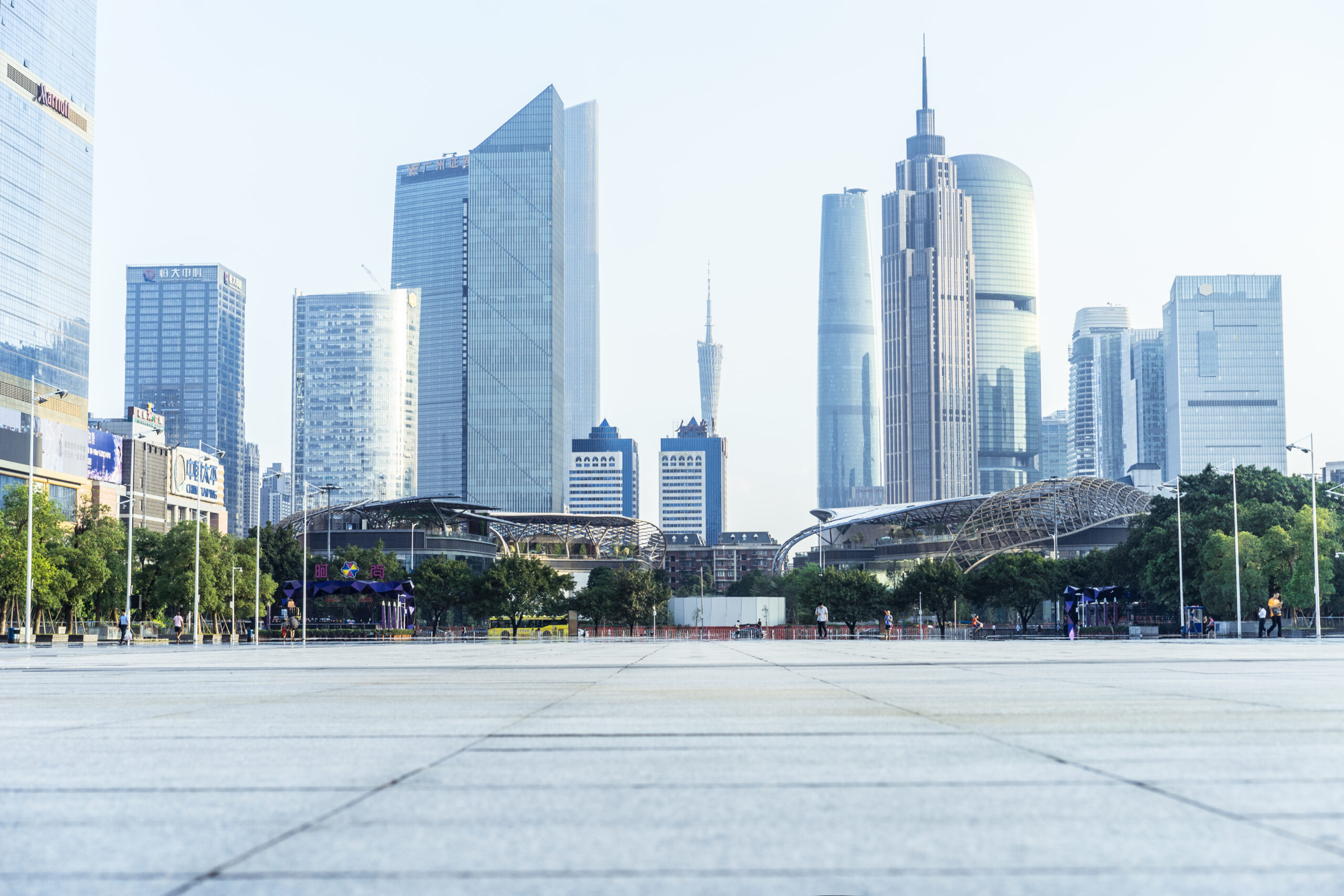
Imagine a metropolis steeped in brilliance—ivory spires gleaming beneath a boundless azure expanse. This is the spirit of the white cityscape: an orchestration of silence and symmetry, a hymn composed in light and stillness. Such cities are not mere constellations of edifices, but sanctuaries of equilibrium—where the geometry of design fuses with the grace of serenity.
What secret chord gives these alabaster realms their haunting magnetism? Let us traverse their luminous corridors and uncover the philosophy hidden behind their immaculate façades.
The Essence of White in Urban Design
The Symbolic Gravity of White Architecture
White, emblem of emancipation and sanctity, evokes breadth, reflection, and the unspoken. Within architectural vernacular, it is a breathing canvas—summoning stillness into space, ushering clarity into structure. From ascetic dwellings to monumental forms, it provides the tranquil stage where sun and shade waltz in an endless pas de deux.
Minimalism and the Reverence of Clarity
Modern metropolises have embraced white as the visual psalm of order amidst chaos. The doctrine of restraint—“less is more”—finds its most eloquent shrine here. Polished planes, unblemished walls, and intentional voids exalt form over embellishment. Where cacophony murmurs, white remains the whisper of calm.
Historical Threads of White Cityscapes
Echoes of Antiquity: Greece and Rome
The lineage of luminous architecture courses through marble antiquity. The Cyclades—Santorini, Mykonos—bathed their domiciles in lime’s pale sheen to reflect heat and summon celestial radiance. In Rome, marble monuments glowed as declarations of empire and divinity—an architecture both sacred and sovereign.
Modernist Renaissance: The Century of Reawakening
When modernism rose from the Bauhaus creed, white evolved beyond ornament into conviction. Architects such as Le Corbusier envisioned metropolises sculpted from sunlight—structures as lucid as thought itself. White ceased to be color; it became ideology—an emblem of the rational sublime.
Icons of the White Horizon
Santorini, Greece
A cascading sonnet of white upon volcanic cliffs—Santorini endures as the living parable of radiant urban grace. Its cubic homes gleam like chalked dreams upon the Aegean’s sapphire vastness.
Tel Aviv’s White City
Tel Aviv’s UNESCO-anointed district stands as Bauhaus incarnate—curving balconies, rhythmic symmetry, and a thousand whispers of white that blend utility with lyricism.
Chefchaouen, Morocco
While known for its cobalt mystique, Chefchaouen’s subdued whites cradle its calm—tempering its maze-like poetry with the hush of light.
Miami’s Art Deco Quarter
Here alabaster façades flirt with pastel sighs. Miami’s Art Deco stretch mingles nostalgia and oceanic rhythm—a dialogue between the retro and the resplendent.
White in Contemporary Urbanism
In today’s cities, white becomes manifesto and armor alike. Its reflectivity mitigates heat; its unity softens skylines. From Dubai’s crystalline towers to Singapore’s mirrored sanctuaries, white now partners with sustainability—harnessing daylight, conserving energy, and sculpting cohesion through restraint.
The Virtues of White Cityscapes
Thermal Equilibrium: White repels the sun’s fervor, offering cool refuge in torrid realms.
Visual Liberation: It stretches perception—breathing infinity into confined geometry.
Cultural Gravitation: Artists and wanderers alike drift toward its silent rhythm, seeking poise amid urban dissonance.
The Fragility Beneath the Brilliance
Yet white’s splendor is ephemeral. Dust, smoke, and age conspire to dull its gleam. Maintenance becomes an unspoken devotion—beauty’s quiet cost. Moreover, too much harmony risks the loss of creative defiance, where symmetry eclipses spontaneity.
White Cityscapes Through the Artistic Lens
For photographers, white is not mere pigment—it is illumination incarnate. Every façade becomes an unwritten verse in light; every corner, a chiaroscuro of emotion. Painters, too, find in white a contemplative expanse—an invitation to translate the human ache for order into tranquil geometry.
Psychological Resonance of Pale Cities
Dwelling within whiteness soothes the tempest of thought. The chromatic emptiness nurtures composure, promoting mental clarity. Yet unbroken pallor can verge on the antiseptic—requiring contrast, texture, or foliage to reintroduce vitality. Even stillness must inhale variety to remain alive.
Sustainability and the Eco-Aesthetic Accord
Beyond elegance, white carries ecological virtue. Reflective coatings, cool pigments, and solar-diffusing materials mitigate urban heat, fostering balance between beauty and biosphere. In the epoch of green consciousness, whiteness stands not as vanity, but as virtue—a gleam of conscience in architectural form.
White Cityscapes in Culture and Cinema
In film and art, the white metropolis often emerges as metaphor—visions of utopia or warnings of sterile perfection. Gattaca and Her painted paradises of pallor where serenity veiled solitude—a cinematic hymn to the fragile line between purity and desolation.
White vs. Chromatic Urbanism
White cities meditate; colorful ones exclaim. The jubilant chaos of Burano or Jaipur thrums with vitality, while white enclaves breathe serenity. One composes with rhythm, the other with silence. Together, they form the chromatic duet of civilization.
The Future of White Architecture
As cities evolve, white minimalism entwines with smart innovation. Self-purifying surfaces, solar-reflective facades, and responsive materials promise longevity without compromise. The aspiration remains unaltered—to preserve purity while embracing progress.
How to Immerse Yourself in a White Cityscape
Noteworthy Destinations:
Santorini, Greece
Ostuni, Italy
Tel Aviv, Israel
Mykonos, Greece
Miami Beach, USA
Conclusion
A white cityscape is more than architecture—it is meditation embodied. From Santorini’s sunlit terraces to Tel Aviv’s lucid promenades, these alabaster sanctuaries articulate an eternal truth: elegance thrives in restraint. Amid an age brimming with noise and color, white metropolises stand as cathedrals of calm—proof that serenity, when sculpted with intention, can gleam brighter than opulence itself.
FAQs
1. What defines a white cityscape?
A white cityscape is an urban ensemble of predominantly pale-toned structures, harmonizing aesthetic grace, spatial intelligence, and luminous serenity.
2. Why are Greek cities painted white?
To repel the fierce sun, naturally cool interiors, and preserve their island identity steeped in timeless radiance.
3. Are white structures energy-efficient?
Yes—white reflects solar rays, reducing heat absorption and lessening dependence on mechanical cooling.
4. Which global locales are celebrated for white architecture?
Stentorian, Tel Aviv, Mykonos, Ostuni, and Miami remain enduring beacons of the white architectural ideal.



One thought on “White Cityscape: Exploring the Ethereal Beauty of Urban Light”